remedies · bogotá · winter
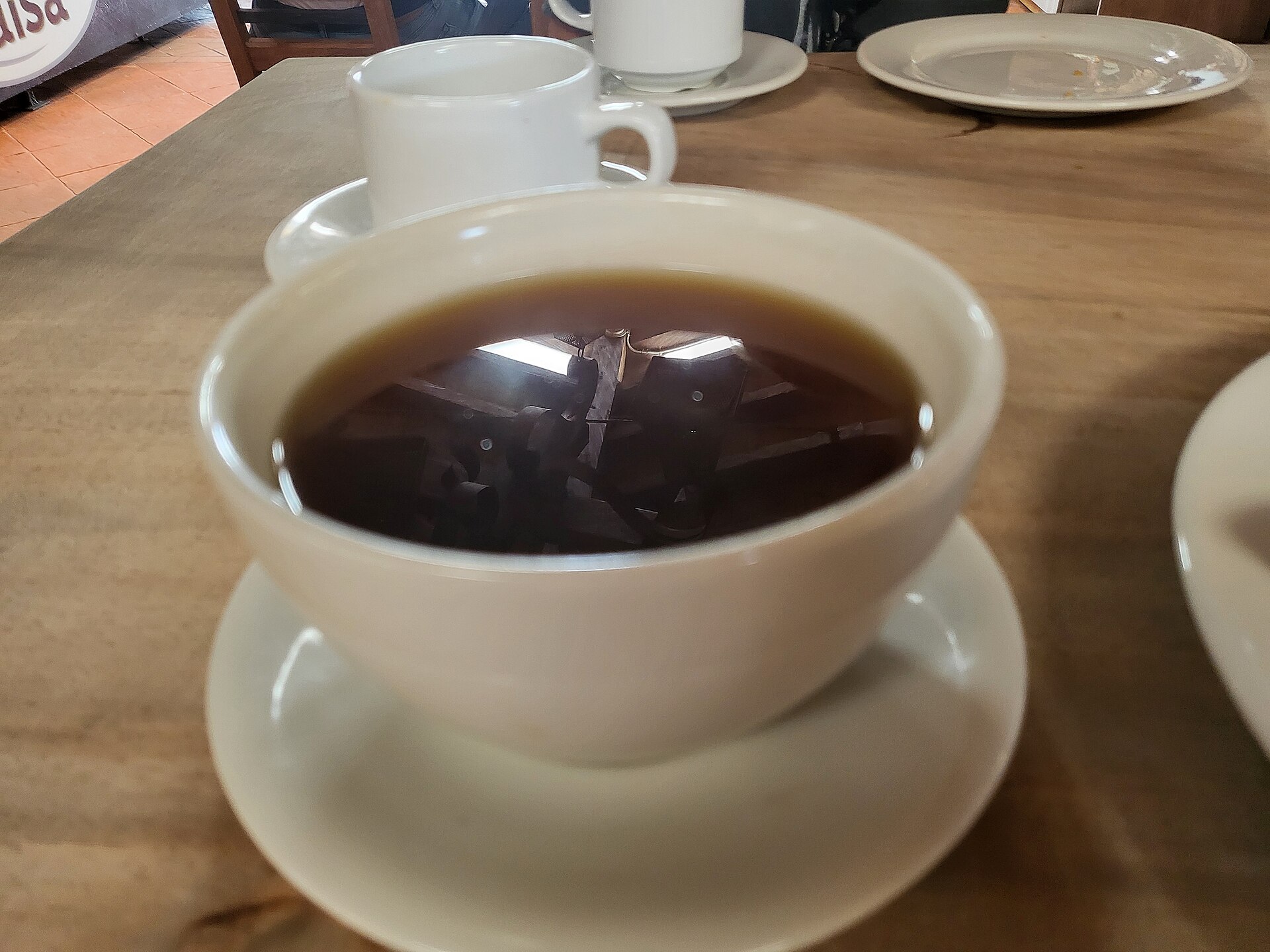
Panela water
I caught a cold, told the pharmacist on the Grande Rue I had "la grippe" and nearly got sent off for a flu jab. My mother, from Bogotá, prescribed the usual.
On Sunday I went running along the Saône in a fog so thick that the Feuillée bridge loomed up all at once, like a piece of furniture in a dark room. I came back soaked, not from rain but from that kind of damp that doesn't fall, it just sits there, and I stood in the kitchen for a good while in my wet T-shirt, eating bread and cheese on my feet, because I was hungry and couldn't be bothered. If my mother had seen me, she wouldn't have needed to say a word. The look would have done it.
On Monday I woke up with a throat like sandpaper and a head full of cotton wool. Claire tucked the thermometer under my arm, which is how they do it here, and read out 38.2 in the voice you'd use to tell the time. "C'est un rhume," she said. A cold. She kissed my forehead, which in France is affection, not diagnosis, and went off to take the kids to school.
La grippe
At ten I walked up to the pharmacy on the Grande Rue, the one next to Samir's barbershop, wrapped in a scarf up to my nose. I was served by a young pharmacist with a white coat, a high bun and red glasses that slid down her nose every time she leaned over the counter. She asked what was wrong. And I, who have spent twenty-five years on guard against false friends, who have corrected "actualmente" for "actuellement" in other people's translations a hundred times, told her quite calmly: "J'ai la grippe."
She leaned back. Not much, ten centimetres maybe, but she leaned back. She asked whether I'd been vaccinated, how long I'd had a fever, whether my muscles ached, whether I'd been in contact with vulnerable people. She offered me a mask from a box under the counter. That's when it clicked. In Bogotá, gripa is anything at all: a runny nose, a sneeze, that Monday-morning achiness. In France, la grippe is influenza, the real thing, the one that shows up on the evening news with coloured maps. I explained. She pushed her glasses back up, put the box away and sold me what they sell here for everything: Doliprane, little vials of saline for the nose, and the advice to drink lots of water and "laisser passer". Let it pass. It's the philosophy of French medicine and, I suspect, of the country in general.
The usual prescription
At two in the afternoon, eight in the morning over there, I called my mother. Not to tell her; so that she would tell me what I already knew. She saw my face on the screen and didn't say hello. She asked: "Did you go running wet?" I didn't answer, which is a way of answering.
She prescribed in order, without stopping, like someone dictating. Hot panela water with lime, lots of lime. Vicks on the chest and on the soles of the feet, with wool socks on top, and off to bed. No walking around the house barefoot. No washing your hair at night. A spoonful of honey with a few drops of lime before sleeping. And no going out "with your chest uncovered", an expression I have never managed to translate and which, in our house, explained nearly every illness in the world.
The Vicks was easy: they sell it here, same blue jar, although when I asked for it the pharmacist looked at me as if I'd asked for leeches. The panela was luck. At the back of the cupboard there was half a block left from the packet that Doña Gladys's cousin brought over, wrapped in a tea towel, hard as a rock. I scraped it into the pan with a knife, the way my father did, who never used any other tool for the job, and when the water came to the boil the kitchen filled with a smell that has nothing to do with Lyon. The smell of a kitchen in Chapinero at six in the evening, with the radio on and the windows steamed up.
The nurses
The kids got home at a quarter to five and found their father in bed, at that hour, in wool socks, with a steaming mug on the bedside table. They thought it was a show. Inés wanted to know what the smell was, and I told her it was Vicks, and that in Colombia you put it on your feet. She laughed so hard she had to sit down. Then she insisted on doing it herself, and applied it with the gravity of a field nurse, in quantities my mother would have considered excessive, and pulled my socks up to my knees.
Tomás, on the other hand, found the Doliprane box and read the whole leaflet aloud, standing by the bed. He read the contraindications, the side effects, the dosage for adults over fifty kilos. He asked how much I weighed. I said seventy-eight. He did the sum in his head and informed me that I could take another one at ten past nine. At ten past nine he came to the bed with a glass of water and the pill in his hand, without anyone reminding him.
Claire got home at seven, opened the bedroom door and said the flat smelled of caramel and eucalyptus, like sleeping in a chemist's sweet shop. She tasted the panela water. She said it was good. She added more lime.
Today, Tuesday, the fever's gone; I just have somebody else's voice. I haven't translated anything, or next to nothing. This morning at half past eight a message came from my mother, a single word between question marks: "¿Medias?" Socks? I sent her a photo of my feet on the duvet, in the wool ones, the grey ones, the ones she knitted me years ago for a winter here she had never seen.
Keep reading
Tuesday the 13th, Friday the 13th
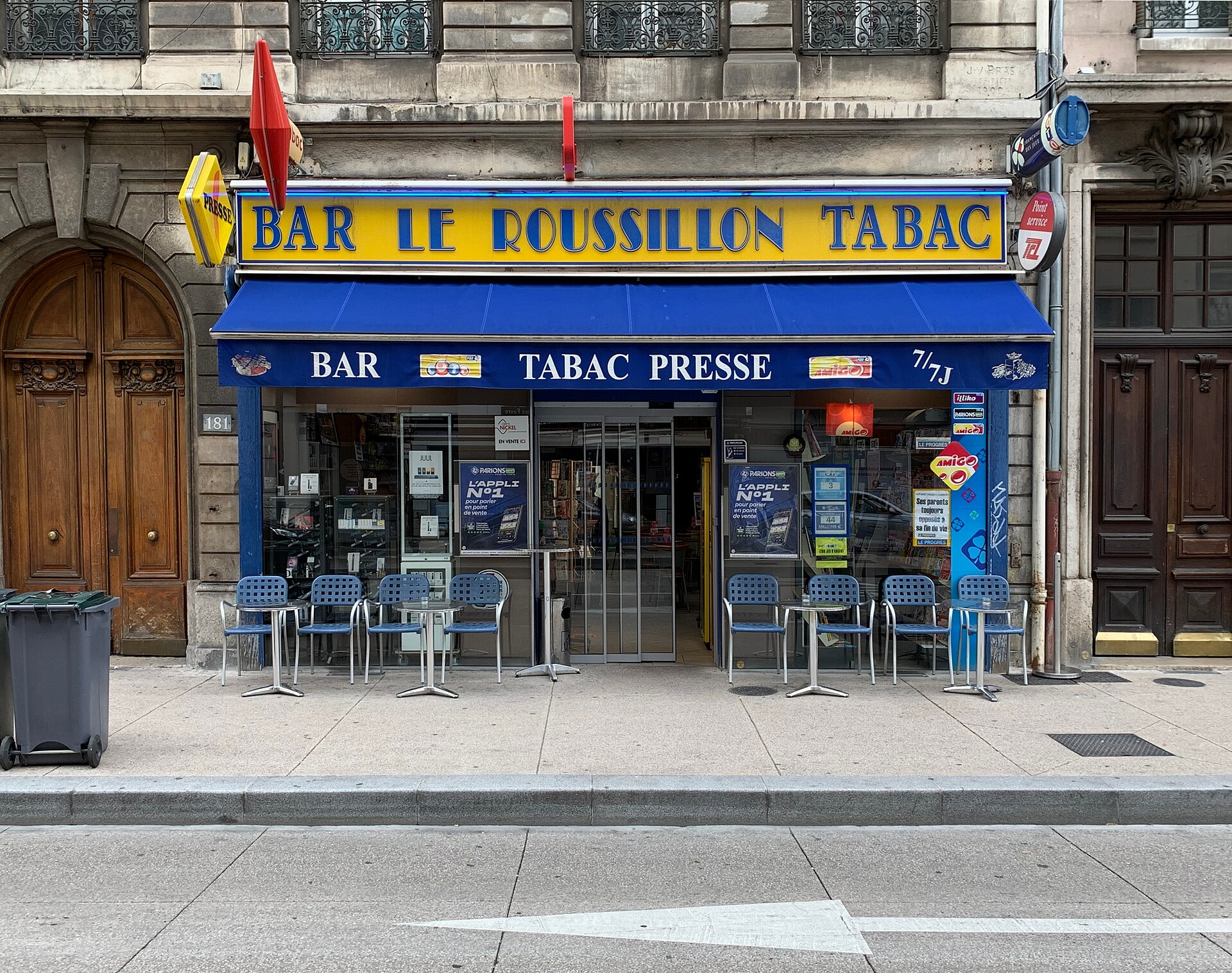
In France bad luck falls on a Friday, not a Tuesday, and the woman at the tabac on the Grande Rue sold me the first lottery ticket of my life. The kids have already spent it.
The pruning
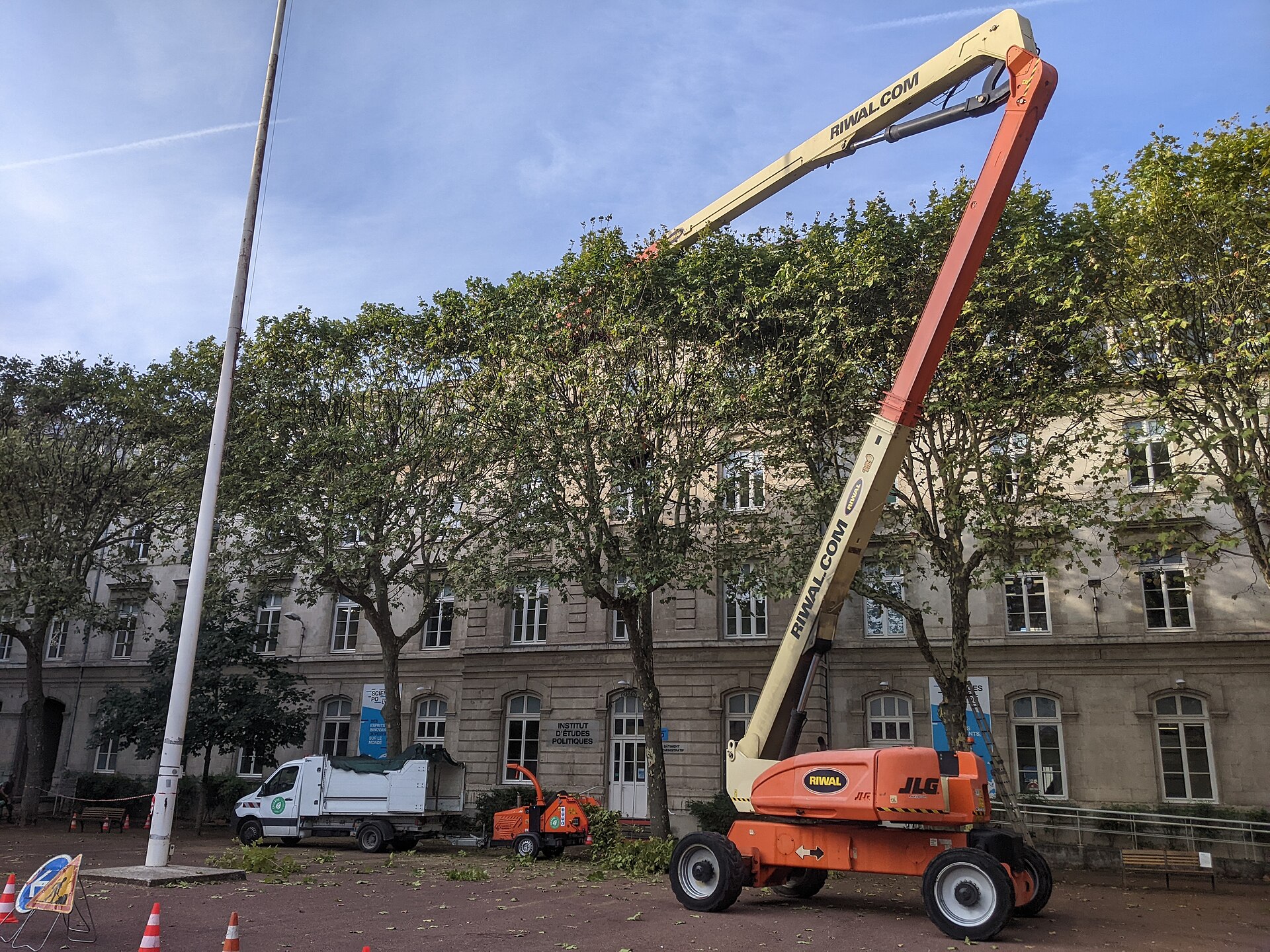
The building manager had the courtyard chestnut tree pruned, the one I've looked at from my desk for twelve years. I lost a day's work and gained neighbours I didn't know I had.
Reading the names
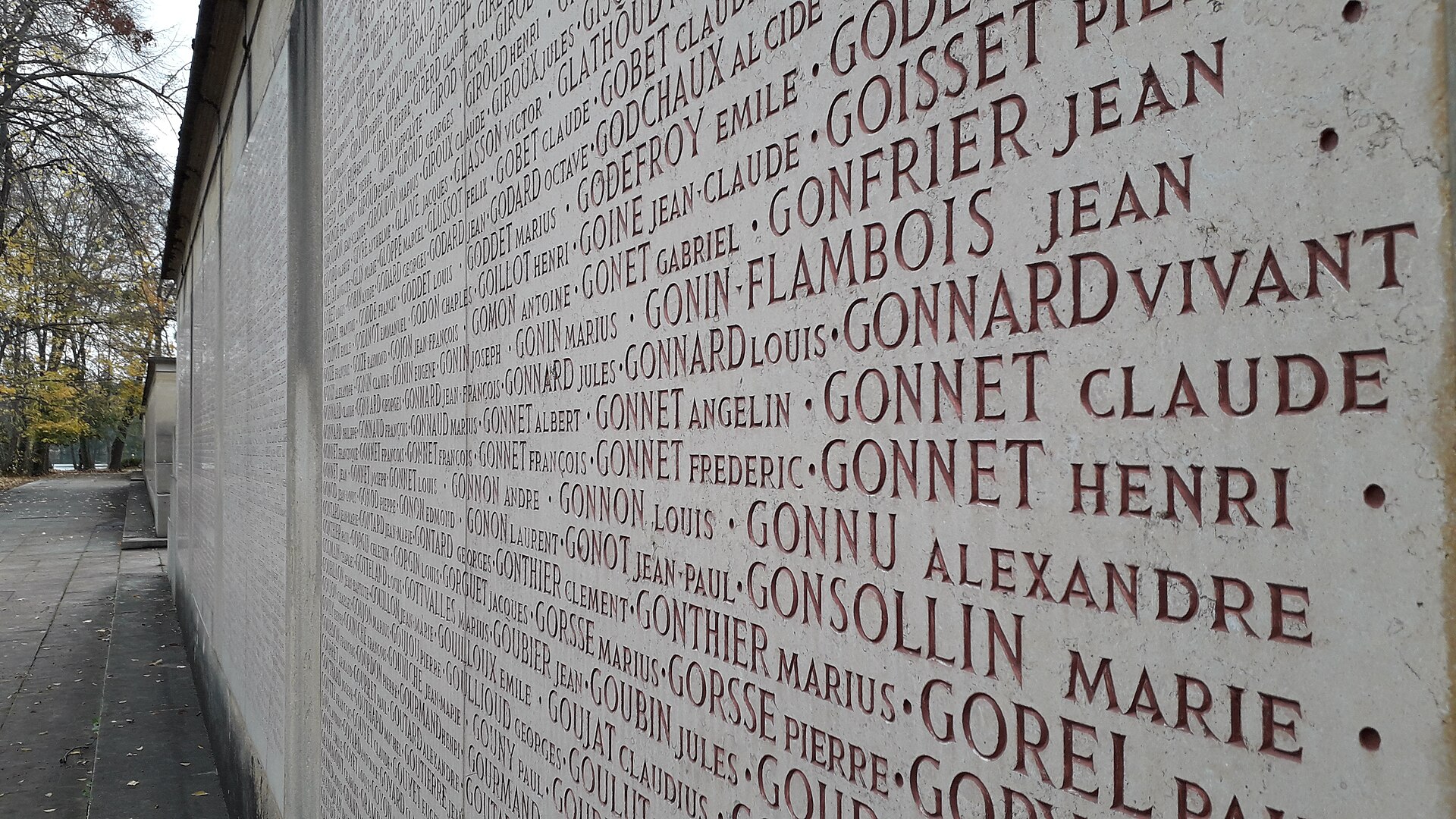
This 11 November Tomás was asked to read four names at our neighbourhood war memorial. We rehearsed in the kitchen, and one of the names asked him a question.