wine · family · lyon
The Beaujolais has arrived
On the third Thursday of November, Gérard comes down from Oingt with six bottles of new wine he claims not to take seriously. This year I finally tasted it.

My first November in Lyon, in 2014, I saw the sign in the window of a bar in the Croix-Rousse, chalked in white on a blackboard: "Le Beaujolais nouveau est arrivé". The next day I saw it in another bar, then in the bakery, then on the door of the supermarket, printed on a poster with grapes. I assumed it was a person. A singer, a politician, a footballer who had just signed for Olympique Lyonnais. It took me three days to ask Claire who this Beaujolais was, and why everyone cared so much that he'd arrived. She laughed until she cried. Then, with the patience she had back then, she explained that it was a wine. That it arrived every year on the third Thursday of November. That she didn't like it.
Today is the third Thursday of November. The sign is back in the window of the bar on the corner, in the same handwriting, or so it seems to me.
What Gérard brings
Gérard, Claire's father, turned up at six in the evening without warning, which is his way of warning us. He climbed the four floors with a cardboard case of six bottles held against his chest and his wool cap still on. He'd bought them at nine this morning at the co-op in the village next to Oingt, where, he told me, there was already a queue of pensioners with wheelbarrows. He set the case on the kitchen table and said what he says every year, word for word: "Ce n'est pas du vin, c'est une fête". It isn't wine, it's a party.
The rest of the year Gérard drinks Morgon. He talks about Morgon the way my father talked about Santa Fe, his football team: with pride and with grudges. He talks about the nouveau as if it were a likeable nephew who never finished school. But he buys it every year, on the same day, at the same co-op, and drives it down to Lyon in the grey Renault to drink with us in a kitchen where five people can't sit down at once.
The data sheet
Back in March I translated the technical sheets for a wine co-op in the Beaujolais: twenty-odd pages of alcohol content, hectares, granite soils and wine-taster phrases. On the sheet for the nouveau there was one line that stopped me for half an hour: "notes de banane et de bonbon anglais". Notes of banana and English boiled sweets. I thought it was a mistake, that someone had pasted in the description of a dessert. I wrote to the client to check. They answered with one very polite line: yes, that was right, it came from the fermentation, and please don't change anything.
Tonight, glass in hand, I told Gérard about it. I told him I'd never understood wine, that at home we drank aguardiente at parties and Pony Malta on Sundays, and that when a Frenchman talks to me about "notes" I nod the way I nod at parents' evenings. He looked at me over his glasses and told me to smell it. I smelled it. It smelled of banana. Not banana in general: overripe banana, the kind my mother left to go black on top of the fridge so she could make cake. I said so. Gérard went quiet for a moment, smelled his own glass and said, very slowly, like a man conceding a point in an argument that has gone on for years: "C'est pas faux". Not wrong.
It's the closest he has come to congratulating me in twelve years.
Everyone else
Claire had half a glass, for the occasion, and said it was less acidic than last year, which is exactly what she said last year. I had one, slowly, because on Tuesday I still had someone else's voice and the box of Doliprane is still on the bedside table. For the kids, Gérard had brought a bottle of grape juice from the same producer, with the same label but in green, and he poured it into proper wine glasses, standing up, so they could make a toast.
Inés sniffed her juice with her nose pushed all the way into the glass, copying me, and announced that it smelled of "bonbon". Tomás didn't smell anything. He picked up one of the bottles from the case and read the whole label out loud, the way he read the Doliprane leaflet last week: the appellation, the alcohol content, the producer's name, the batch number, the warning for pregnant women. He got to the back label and read "notes de fruits rouges et de banane". He looked at me. I told him yes. That I'd translated that, more or less. He didn't believe me, but he thought about it.
Gérard left at nine, because he doesn't drive at night after a glass, and he'd had his last one at half past seven, timed. He left five bottles. He says they have to be drunk before Christmas, because after that the nouveau gets sad.
A little while ago I called my mother, where it was three in the afternoon, and told her I'd been drinking new wine with my father-in-law. There was a silence on the line, the kind you get when the connection drops. Then she said: "¿Nuevo? El vino bueno es viejo, mijo." Good wine is old, son. And she asked me whether I was wearing my socks.
Keep reading
The novena box
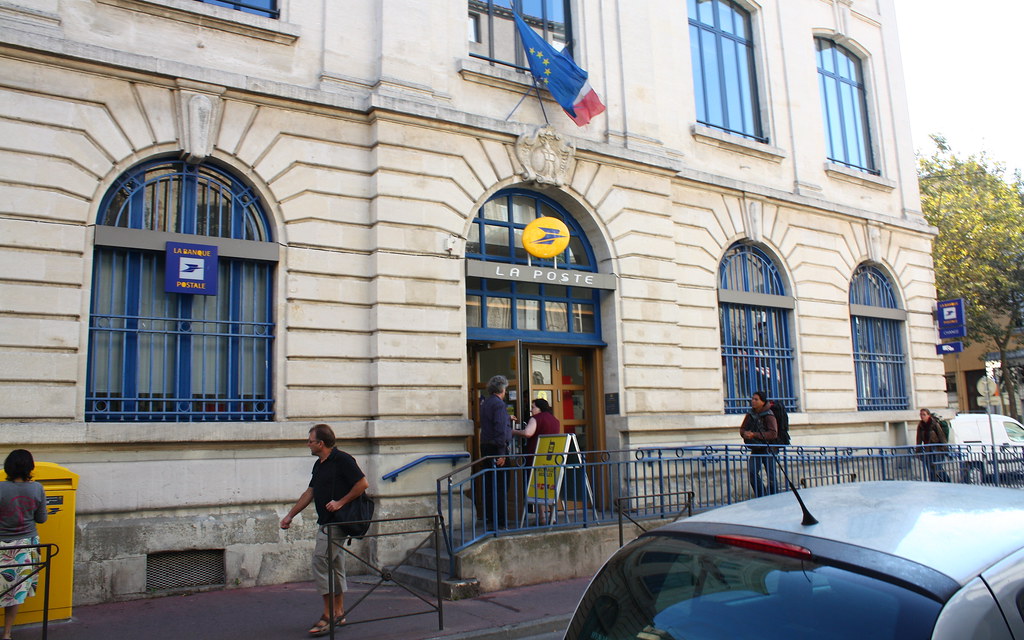
Every November we send a box to Bogotá so it arrives before the novena. This year we packed it with the kids, and at the Croix-Rousse post office something had to come out.
Panela water
I caught a cold, told the pharmacist on the Grande Rue I had "la grippe" and nearly got sent off for a flu jab. My mother, from Bogotá, prescribed the usual.
Tuesday the 13th, Friday the 13th
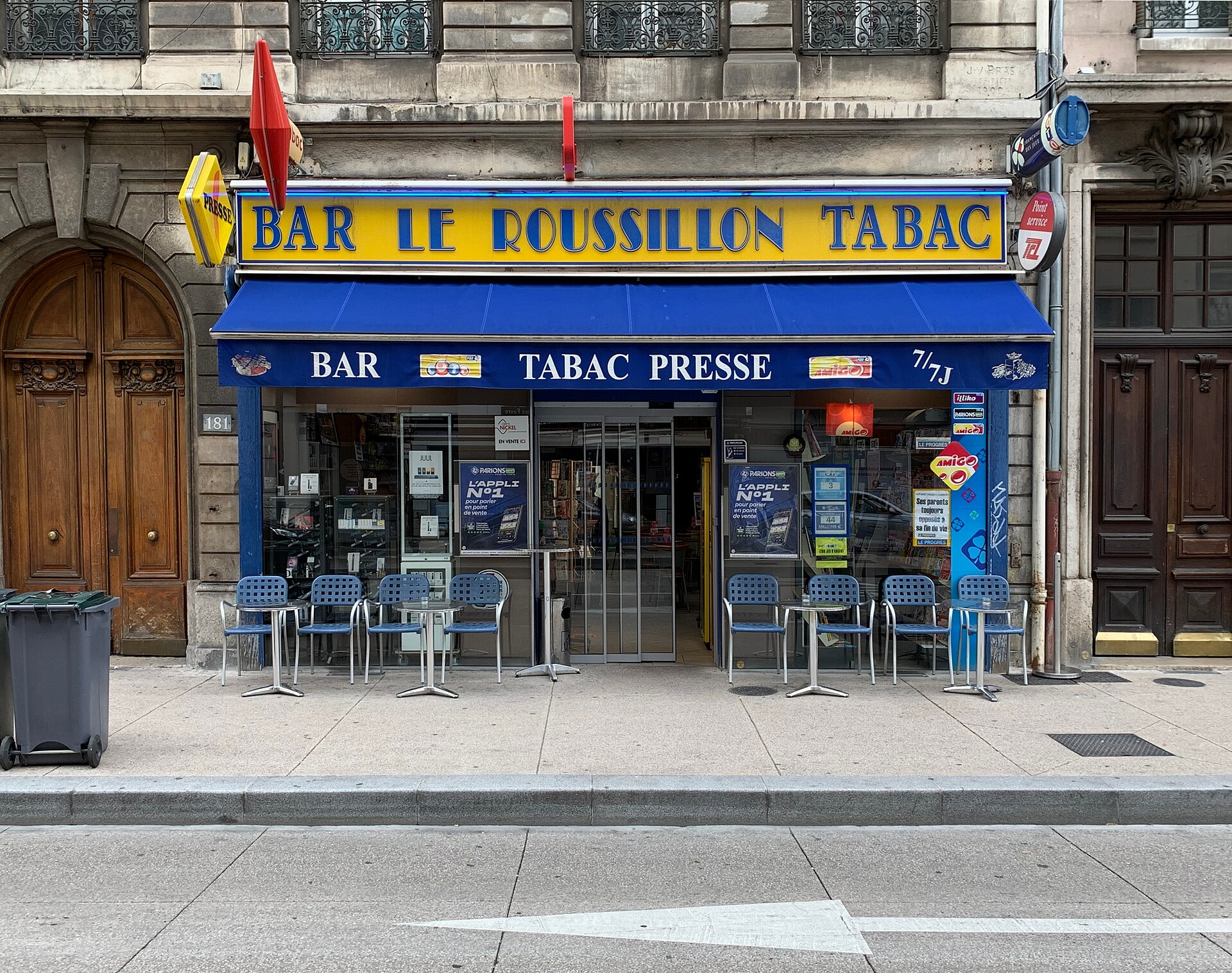
In France bad luck falls on a Friday, not a Tuesday, and the woman at the tabac on the Grande Rue sold me the first lottery ticket of my life. The kids have already spent it.