bogotá · christmas · kids
The novena box
Every November we send a box to Bogotá so it arrives before the novena. This year we packed it with the kids, and at the Croix-Rousse post office something had to come out.
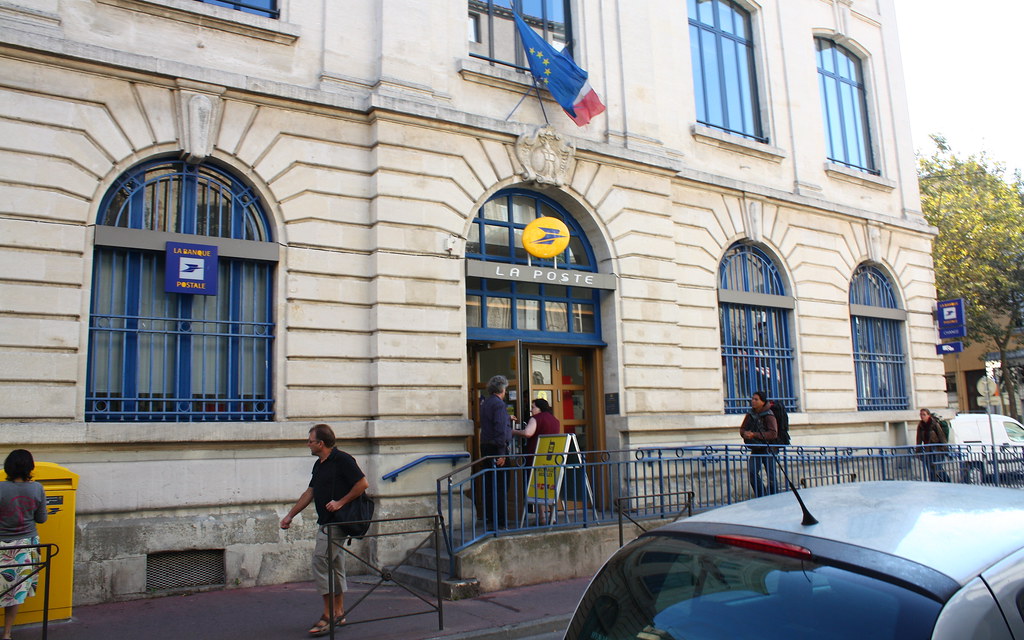
Every year, around the middle of November, my mother says the same sentence in the same tone: "Don't you go sending me anything, it costs a fortune." She says it the way you'd mention the weather. And every year, in the third week of November, we send a box. It's a ritual with no written rules that started our first December in Lyon, when I still believed parcels to Colombia took a week. It took five. It arrived on the 9th of January, with Epiphany already gone, and my mother opened her Christmas presents alone in the living room with the radio on. She told me about it without a hint of reproach. Since then the deadline hasn't been Christmas but the 16th of December, the first day of the novena, because the box has to be under the nativity scene when the first prayer is said.
This time, with my voice still only half back after last week's cold, I decided we'd pack it today, Wednesday, with the kids, and take it to the post office before I had time to think better of it.
What fits in a box
I bought the box at the post office itself, the medium one, the one they call "la taille M" at the counter as if it were a T-shirt. We put it open on the kitchen table, and everyone brought their own thing. Claire, who has been doing this better than me for years, bought a box of coussins at Voisin, those green Lyon chocolates shaped like little cushions, which my mother thinks are too pretty to eat and so hands out up and down her street. I put in a calendar of photos of Lyon, which is what I've sent for twelve years, and a grey wool scarf she won't wear because in Bogotá, she says, "that's for people who live in the snow".
Inés brought a drawing. It was my mother's nativity scene, the one in her living room, which Inés saw in August: the Virgin, the donkey, the plaster sheep with their legs glued back on and, right at the top, an aeroplane. I asked what a plane was doing in the nativity. She said it was us. That we were on our way.
Tomás brought something I hadn't expected: a letter, in a sealed envelope, with "Pour Abuela" written on the front in his CM2 print, which is neater than mine. He wouldn't let me read it. I asked if it was in Spanish. He said it was private. He said it in French, and I didn't push, because I know a border when one is put in front of me.
The form
The post office on the square was the way it always is at three in the afternoon: a queue of eight people, two counters open out of four, and a ticket machine nobody uses. Ahead of us was a man with six identical parcels, all going to Algeria, and a young woman with a rolled-up rug under her arm who wasn't sure whether it counted as a parcel. Inés started reading the price posters out loud. Tomás held the box as if he were carrying an organ for transplant.
When our turn came, the woman behind the counter, short hair, glasses on a little chain, put the box on the scales and said a number that made me cough, and not because of the cold. Then she gave me the customs form, the CN23, to declare the contents. I translate forms like that almost every week. I know what "nature de l'envoi" means, and "valeur déclarée", and "pays d'origine des marchandises". And still I stood there with the pen in my hand, staring at the value box. What is a drawing of a nativity scene with a plane in it worth? What about a letter I haven't read? I wrote "Cadeau" as the nature of the item and, for the value of the drawing, a zero. It felt like a very big lie. The woman didn't notice.
What came out
The problem was the weight. We were a hundred and forty grams over two kilos, and that pushed it into a price band I wasn't prepared to pay. The woman, with the kind of patience that in France only exists at counters when someone is about to give up, told me that if we took something out we'd save almost twenty euros. We opened the box right there on the counter, with the queue behind us.
Claire suggested the scarf. Inés said no, Abuela looked cold in the photo from August. I suggested the calendar, and Tomás looked at me as if I'd suggested the letter. In the end, out came something nobody had declared: a bag of green Puy lentils I'd slipped into a corner on the sly, because my mother once said on the phone that the lentils here looked prettier than the ones back home. It weighed half a kilo. The woman lifted it like a piece of evidence, without a word, handed it back to me and weighed the box again. One kilo eight hundred and forty. Through.
I paid, she stuck on the labels and put the box in a wire cart behind her, next to the six parcels for Algeria, and for a moment I stood looking at it there among the other boxes, no different from them, with Claire's handwriting on the address: Calle 63, Chapinero, Bogotá. Inés tugged at my sleeve. She was hungry.
We walked home up the Grande Rue, almost dark already at a quarter past five, the shop windows just lit. Tomás carried the bag of lentils hugged to his chest, as solemnly as he'd carried the box. Tonight Claire is going to cook them with carrot and a piece of bacon, the way her mother does. I'm going to call mine at two in the afternoon her time and tell her we didn't send her anything.
Keep reading
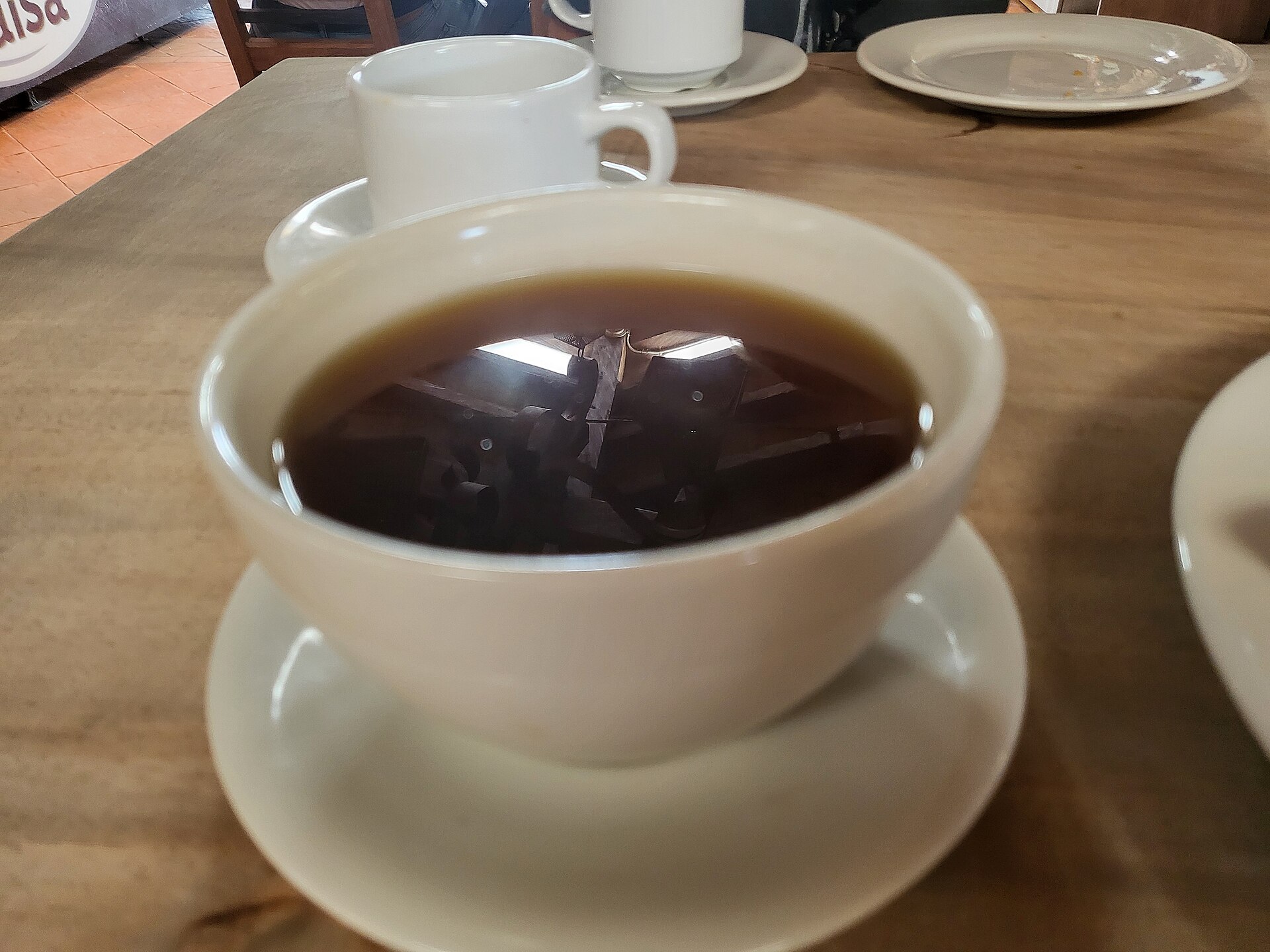
Panela water
I caught a cold, told the pharmacist on the Grande Rue I had "la grippe" and nearly got sent off for a flu jab. My mother, from Bogotá, prescribed the usual.
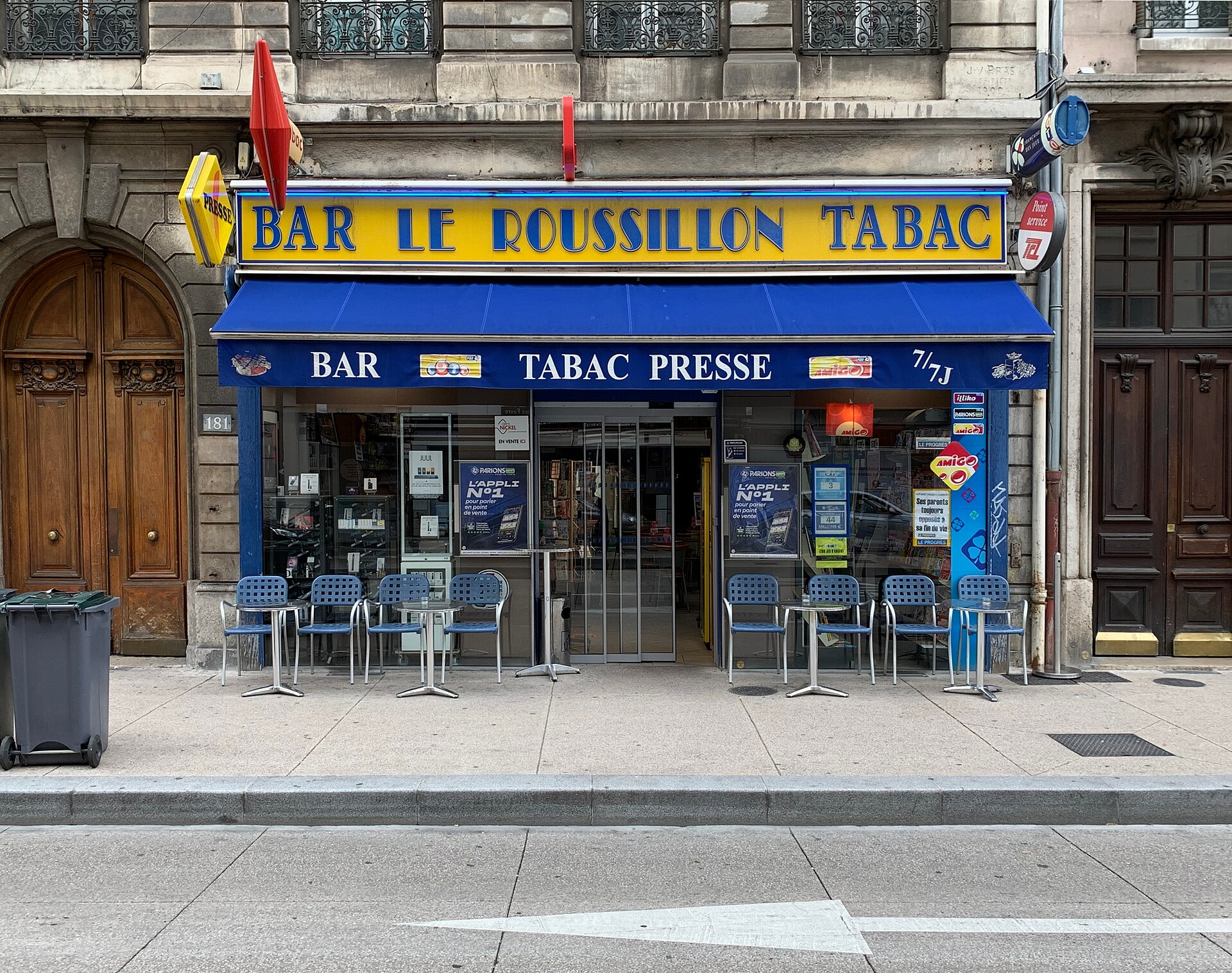
Tuesday the 13th, Friday the 13th
In France bad luck falls on a Friday, not a Tuesday, and the woman at the tabac on the Grande Rue sold me the first lottery ticket of my life. The kids have already spent it.
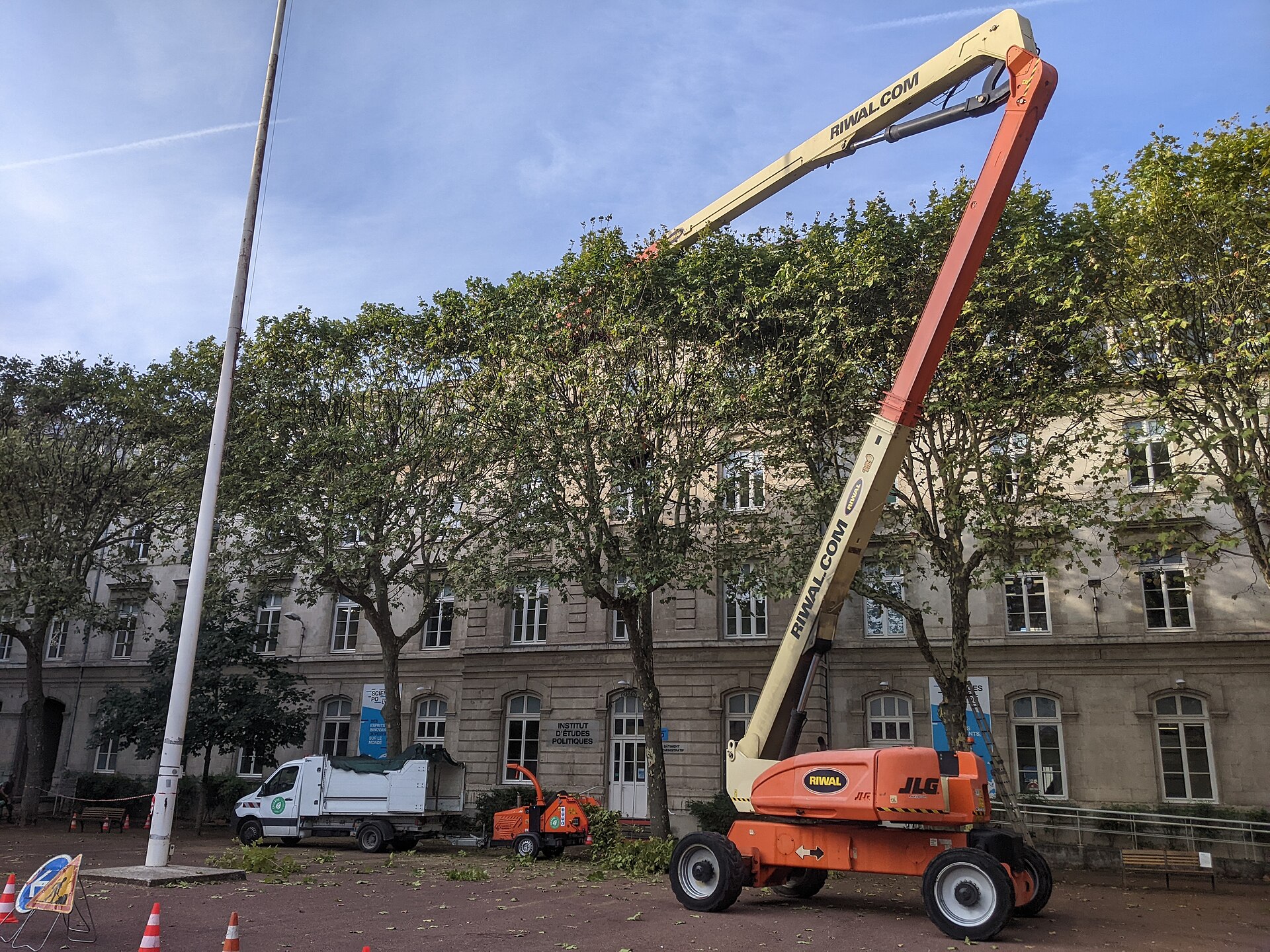
The pruning
The building manager had the courtyard chestnut tree pruned, the one I've looked at from my desk for twelve years. I lost a day's work and gained neighbours I didn't know I had.