books · translation · kids
The Latin American shelf
I went to the local library for a book for Inés and came out with The Armies in French, my old favourite novel, translated by someone else. I read it with a pencil.

On Fridays Inés gets out of school at half past four with an empty stomach and a plan. Today's plan was the library. Her teacher has asked them each to bring in a book "about winter" on Monday to read in class, and she had decided hers had to have a bear in it. Not just any bear: one that sleeps. I told her that nearly all bears sleep in winter, and she gave me a look of pity I recognised. It's the face Claire makes when I explain something about her own country to her.
I'm still a bit hoarse, but the fever is gone, and the walk up to the rue de Cuire seemed like a good idea until it started to drizzle. Inés was wearing her yellow boots and jumped in every puddle between the school and the library, of which there were many. I carried the umbrella and her school bag, which weighs more than mine.
The bears
The children's section is on the first floor, with cushions on the carpet and tables so low that grown-ups sit at them with their knees up by their ears. Inés went straight to the librarian, a woman with very short white hair and a green wool cardigan, and explained the bear problem in full detail. The woman listened with complete seriousness, as if she were being consulted on a matter of inheritance, and led her by the hand to a crate of picture books. I stayed standing, with no function, the school bag dangling from my hand.
That was when I realised I had never been up to the second floor. In twelve years I've been here dozens of times, with one child or the other, and I've always stayed on the first, among the cushions. I told Inés I'd be right back. She didn't hear me.
Upstairs
Upstairs there is real silence, the kind you can hear. Two students in headphones, a man asleep with a newspaper open on his chest, rain on the big windows. I walked between the shelves reading the signs the way I read contracts, looking for the clause that concerns me. Littérature anglaise. Littérature allemande. Littérature italienne. And at the far end, by the window, a sign smaller than the others: Littérature latino-américaine.
It was one shelf. Half a shelf, to be honest, because Spanish literature had the other half. García Márquez, of course, five or six spines in matching covers. Cortázar. Bolaño, enormous. An Isabel Allende with its corners folded by a thousand readers. And between a Vargas Llosa and an anthology of Mexican short stories, a thin white spine with a title I know better than my passport number: Les Armées. Evelio Rosero.
I took it out the way you'd pull someone out of a group photo. I have it in Spanish on my bedside table, the copy my sister gave me in Bogotá, with a broken spine and a coffee stain on page forty. I'm reading it for the third time. It had never occurred to me that it existed in French, that somebody somewhere in France had sat for months with that village and that war and that retired schoolteacher peering over the garden wall, and carried it all into my other language. It's what I do, the other way round. I know that. But knowing it is one thing.
With a pencil
When I came down, Inés had three bears: one that slept, one that couldn't sleep, and one that, according to her, "fait semblant", was only pretending. The librarian scanned all four books, the three bears and my novel, and when she got to mine she said "ah, c'est très beau, ça" without looking up. I said yes, I'd read it. I didn't say in which language. Inés explained on my behalf that I speak Spanish, that in Spanish a bear is an "oso", and that it's shorter.
Tonight, with the kids asleep and Claire watching a series with the volume down low, I sat on the bed with both books open, one on each knee, and a pencil. It's a habit of the trade I don't know how to switch off. I'd read a sentence in Spanish, find the same one in French and compare them the way you compare two photos of the same room. At first it was petty, I admit. I found a comma I wouldn't have put there and was more pleased than I should have been. I found a word, a bird from the hot lowlands, that the translator had left in Spanish with a footnote, and thought I'd have found another way out.
Then I reached one of those long Rosero sentences that turn round and round like a dog before it lies down, and in French it was better. Not the same: better. Shorter, stiller, with the same fear inside it. I read it three times. I put the pencil down. I thought about the people in Madrid who read my translations and know nothing about me, and whether any of them has ever sat like this, with both books, hunting for my commas.
Claire turned off the TV and asked why I had two copies of the same book. I said they weren't the same. She said they looked the same. I turned off the light with the pencil still in my hand. It must be somewhere in the bed now, the point snapped off.
The novel is due back in three weeks. The bears, on Monday.
Keep reading

The Beaujolais has arrived
On the third Thursday of November, Gérard comes down from Oingt with six bottles of new wine he claims not to take seriously. This year I finally tasted it.
The novena box
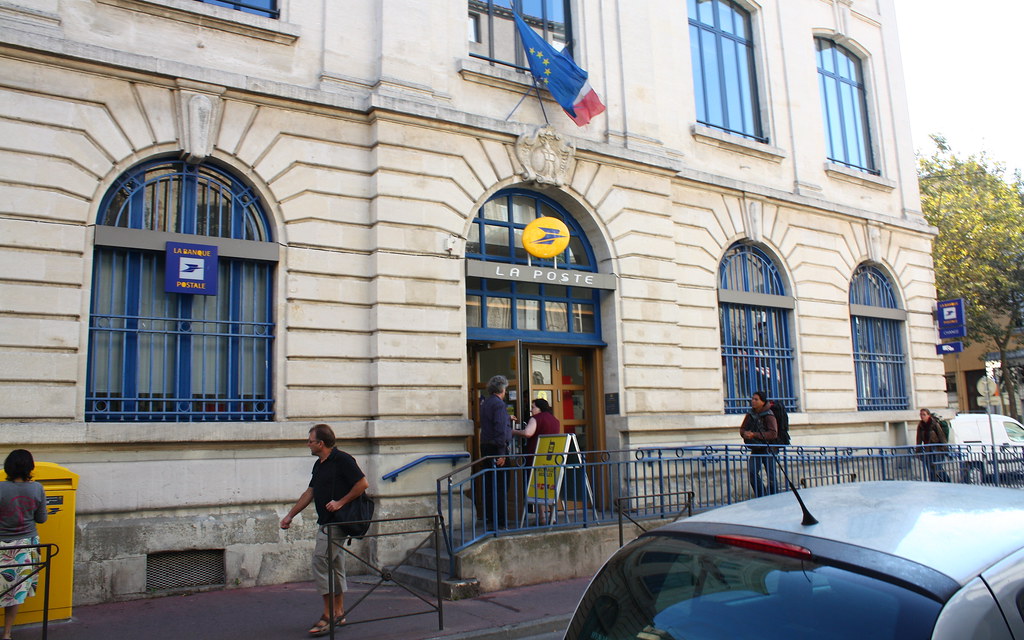
Every November we send a box to Bogotá so it arrives before the novena. This year we packed it with the kids, and at the Croix-Rousse post office something had to come out.
Panela water
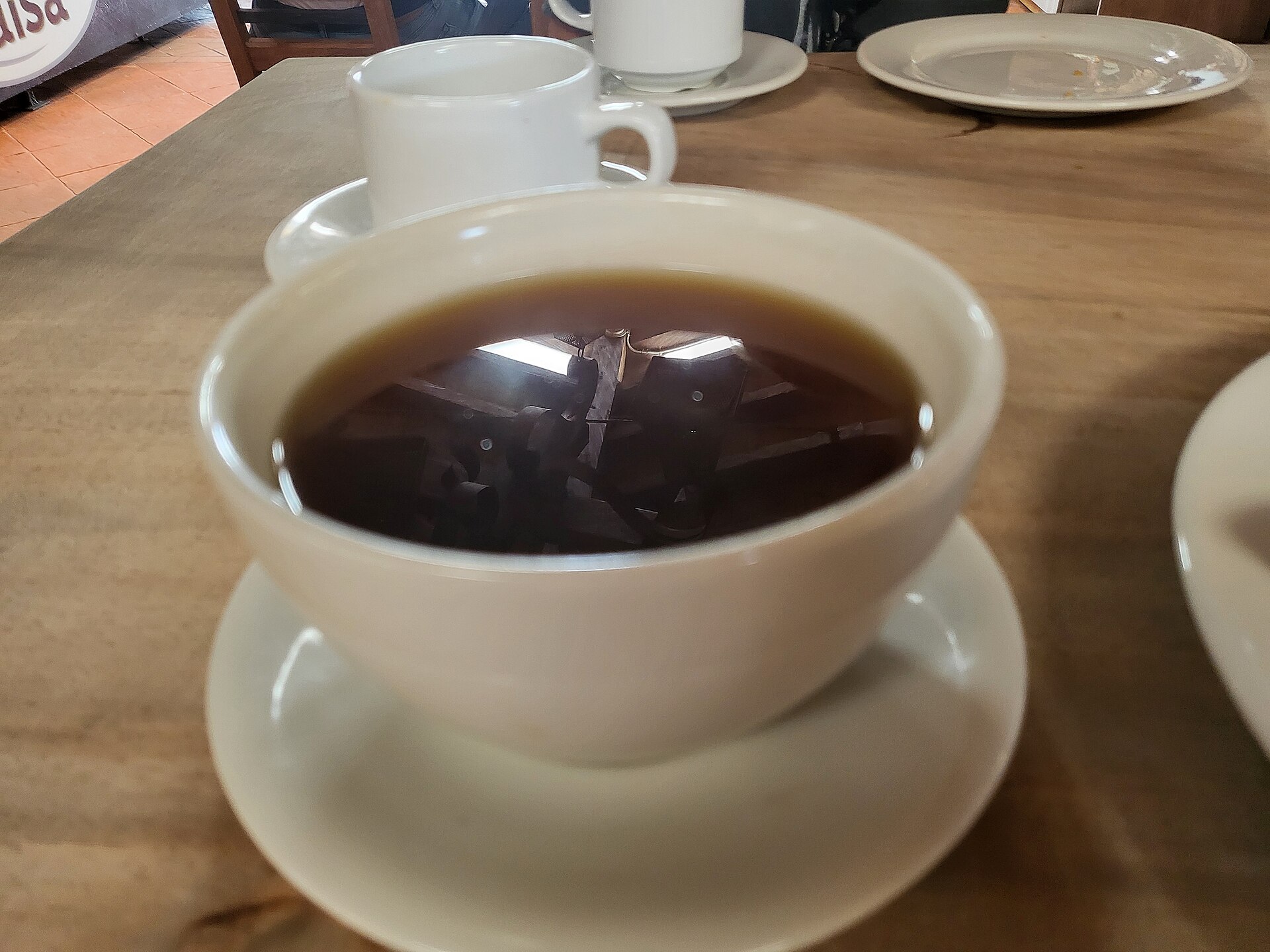
I caught a cold, told the pharmacist on the Grande Rue I had "la grippe" and nearly got sent off for a flu jab. My mother, from Bogotá, prescribed the usual.