traditions · kids · light
Lumignons
In Lyon, on 8 December, people put candles in their windows. This year Inés brought home a little glass jar to paint, and I thought of the velitas back in Bogotá.
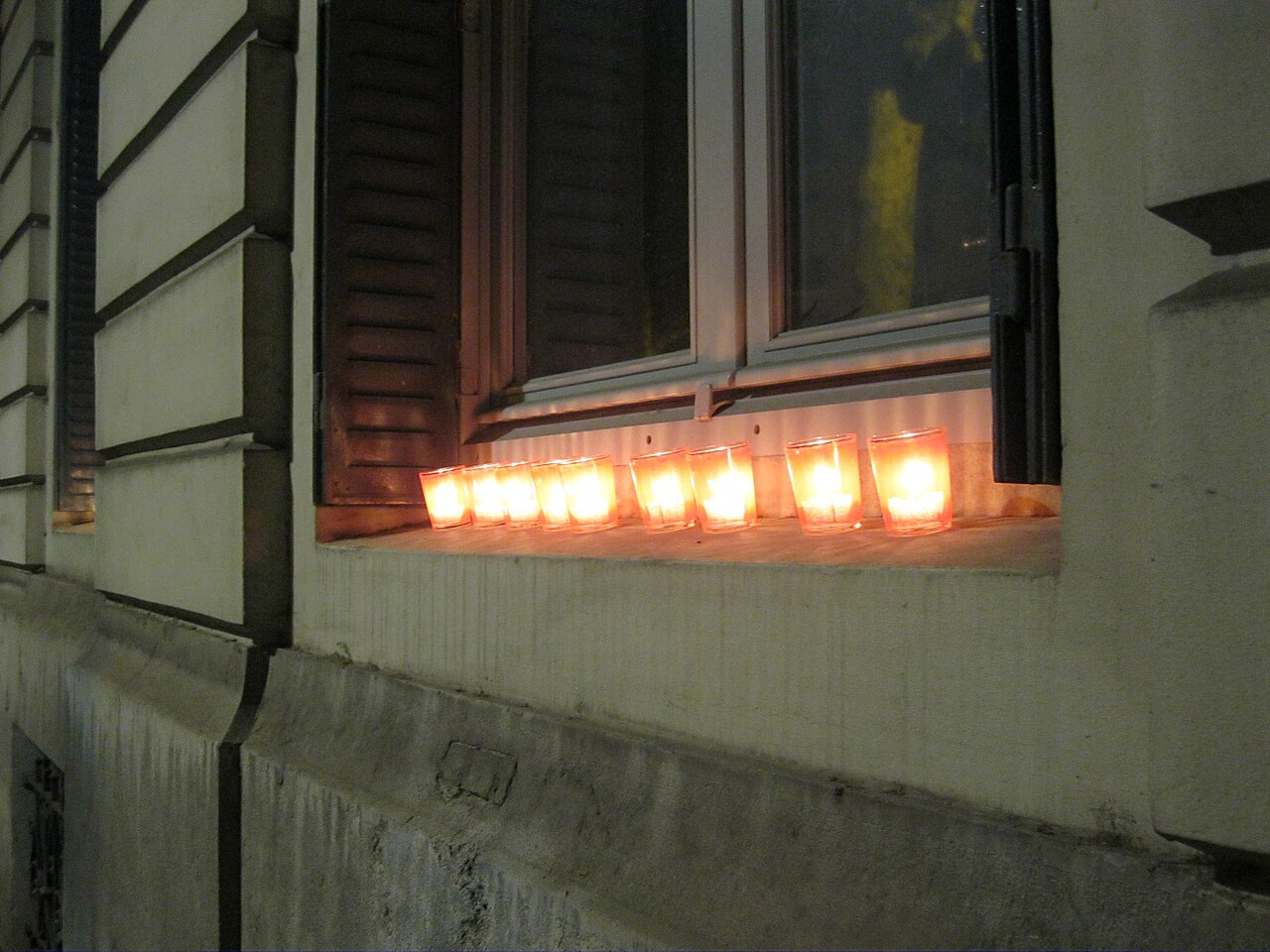
On Friday Inés came home from school with a little glass jar the size of a fist, wrapped in newspaper, and a photocopied sheet saying that on 8 December, for the Fête des Lumières, every child had to bring in a decorated "lumignon". There is no Spanish word for it, and it took me years to understand it: a lumignon is a tiny candle in a glass holder, the kind people set along their windowsills that night, in their thousands, until the whole city looks like a birthday cake that has been unevenly shared out. Schools paint them, neighbours line them up, and the city sells them by the dozen from kiosks on the Place Bellecour.
Twelve years here and I had never put one out. We always had a good excuse: small children, a cold, a delivery due the next day. Claire has put them out since she was little, at her parents' house in Caluire, and every year she would offer me one with a face that said "you know this exists". I would say yes, next year, and go back to translating.
Glass paint
On Saturday afternoon Tomás and Inés sat down at the kitchen table with the jar, a box of paints Claire had bought at the stationer's on rue Mercière, and an old rag that used to be mine. Tomás, who is ten and has opinions, declared that his lumignon would be "restrained": one blue stripe and nothing else. Inés drew a cat, or a dog, nobody could tell, and put thirty-four stars around it, which she counted out loud. Every so often she called me over to ask which colour was prettier, and every time I named one she picked the other.
I stood watching them with my cup in my hand, not daring to say a word. Because what was in my head had nothing to do with Lyon.
The seventh of December
In Bogotá, the night of 7 December is the night of the velitas. You light one candle for every window, every pavement, every bit of railing, for the Immaculate Conception, and a city of eight million people who agree on nothing else somehow agrees on this. I grew up with a box of coloured candles that my mother kept in the last kitchen drawer, and with the annual argument with my father about where on the pavement his could go without the wind taking it. At six in the evening we would go down with the neighbours, each with a match and an opinion, and by seven the whole street smelled of wax and burnt cardboard, like the novenas, like the nativity scene.
What I had never noticed, until I watched Inés with her paintbrush, is that Lyon and Bogotá light up one day apart. There on the 7th, here on the 8th. Two cities that have nothing in common, ten thousand kilometres from each other, twenty-four hours apart, with the same habit of putting a flame in the window so that other people can see it from outside.
A flame in the window
On Sunday morning, on the way to the bakery, Inés asked me to show her how my mother used to set out the velitas. I told her she would have to go without this year, but that we could do a trial run. That evening, after dinner, we lit the two lumignons on my windowsill, the one with the blue stripe and the one with the thirty-four stars, with a tea light inside each. We switched off my desk lamp. Through the bare chestnut tree you could see the window of the woman with the shirts across the courtyard, with one lamp on, and nothing else.
Tomás said they looked better at night than in the daytime. Inés said the cat looked real. I said nothing. I sent my mother a photo, with no message, and five minutes later she answered with a single candle emoji and underneath it: "And why don't you put them out in the street, mijo?" I didn't know what to tell her. We left them burning until they ran out, and a little while later the window across the way had a tiny light on its sill too.
Keep reading

The Latin American shelf
I went to the local library for a book for Inés and came out with The Armies in French, my old favourite novel, translated by someone else. I read it with a pencil.

The Beaujolais has arrived
On the third Thursday of November, Gérard comes down from Oingt with six bottles of new wine he claims not to take seriously. This year I finally tasted it.
The novena box
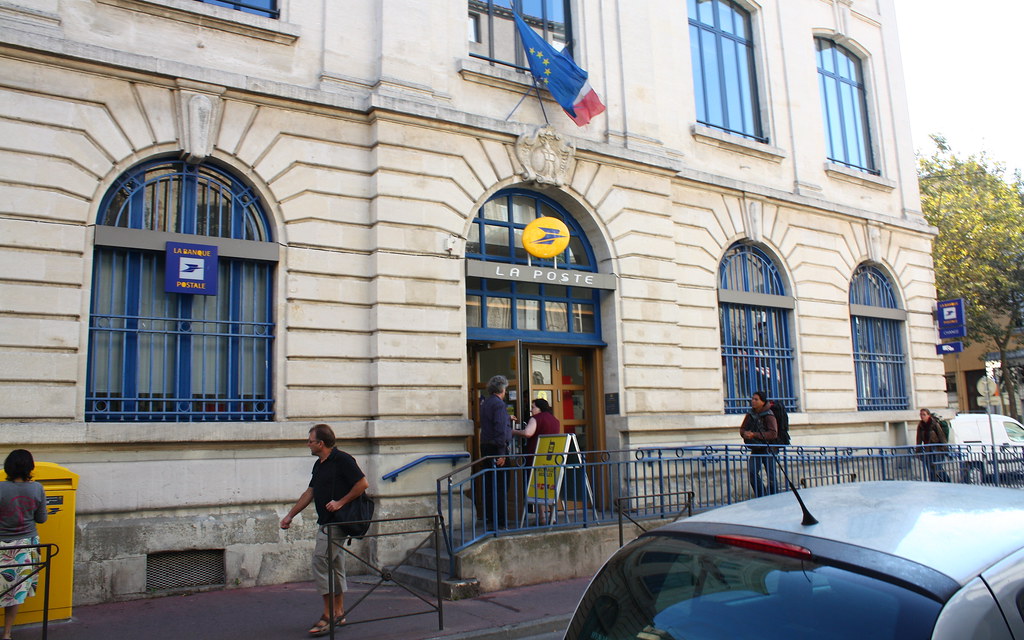
Every November we send a box to Bogotá so it arrives before the novena. This year we packed it with the kids, and at the Croix-Rousse post office something had to come out.