superstitions · neighbourhood · family
Tuesday the 13th, Friday the 13th
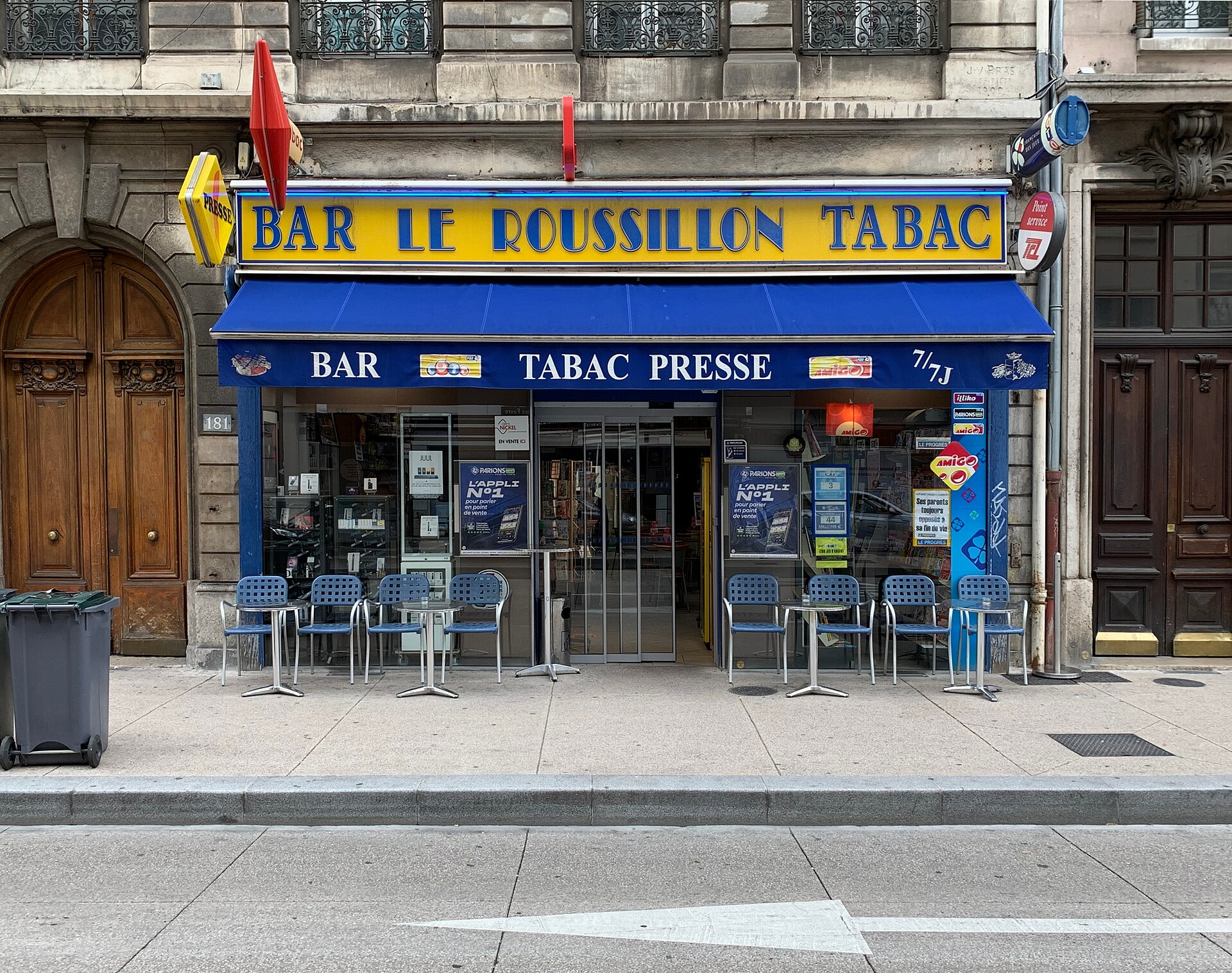
In France bad luck falls on a Friday, not a Tuesday, and the woman at the tabac on the Grande Rue sold me the first lottery ticket of my life. The kids have already spent it.
My mother does not leave the house on a Tuesday the 13th. That's not a figure of speech. If she has a doctor's appointment, she moves it; if something needs paying at the bank, it can wait until Wednesday. "Martes trece, ni te cases ni te embarques" — on Tuesday the 13th, don't marry and don't set sail — she says, and she says it with the same seriousness she uses to tell you to boil the water. When I was little, on Tuesdays the 13th my father would leave for the office whistling, and my mother would shout from the window that he should at least put his vest on inside out. I never found out if he did.
What nobody warned me about when I came to live in Lyon is that bad luck in France keeps a different day. Here the one to fear is Friday the 13th. On a Tuesday the 13th a French person will marry, set sail and sign a mortgage without a second thought. I found out in my first year, in 2015, because on Friday the 13th of February Claire wouldn't let me leave my umbrella open in the hallway. I told her that was a Tuesday thing. She looked at me as if I'd said Christmas was in July.
The woman at the tabac
Today is Friday the 13th. I remembered at a quarter past eight this morning, because in the window of the tabac on the Grande Rue, where I buy the paper on Fridays, there was a huge yellow poster that said "Vendredi 13 — Super Loto". Underneath, in marker pen, the owner had written out the jackpot in figures, every zero of it, so you couldn't miss them.
The owner is called Madame Rossi. She's run the tabac since before we arrived in the neighbourhood, and she has a way of handing over your change that admits no argument: she puts the coins in your palm and closes your fingers over them, as if she were giving you medicine. I asked for the paper, as always. She passed it over and asked whether I wasn't going to play.
I said no, I'd never played the lottery in my life. That in my family Friday the 13th didn't exist. I explained: the Tuesday thing, my mother, the vest inside out. Madame Rossi heard me out and said that settled it, then: if Friday the 13th wasn't unlucky for me, all I had left was the good luck. She said it like a lawyer who's found a loophole in a contract, and I, who earn my living reading contracts, couldn't find the flaw.
I paid two euros twenty. She showed me how to fill in the grid, five numbers and a lucky one, with a patience that made me feel like a grandfather with a new phone. I picked everybody's birthdays, which according to her is what everyone does and why nobody ever wins anything. She gave me the ticket, closed my fingers over it and wished me "bonne chance" with the face of someone who knew something.
What that buys
I wasn't planning to say anything at home. But I left the ticket on the kitchen table with my keys, and at a quarter past five, when they got back from school, Inés found it before she'd even taken off her coat. She picked it up between two fingers, like evidence, and asked me what it was. I told her the truth. Mistake.
Within ten minutes the jackpot had been spent. Inés wants a dog, which is what she's wanted since she was four, but now she wants a big one, plus a house with a garden for the dog, plus a horse, because if there's a garden there's room for a horse. Tomás was more methodical. He tore a page out of his exercise book and split everything into columns: a share for Claire, who has been wanting to change the car for three winters; a share for the two of them, in equal parts, which Inés approved with suspicion; and a share, the biggest one, to buy the flat next door to my mother's in Chapinero, "pour qu'on ait une maison à Bogotá" — so we'd have a house in Bogotá. He wrote it in French, in the column, with his dictation spelling: une maison à Bogota, no accent, underlined twice.
I stood there for a while with the page in my hand. Tomás has never said, as far as I know, that he wants to go back to Bogotá. In August he complained about the cold, the altitude and the fact that there's no wifi in the back bedroom at his grandmother's. And there it was, in the biggest column, with two lines underneath.
The draw is tonight
Claire got home at seven, saw the page, saw the ticket and laughed in a way I didn't find funny at all. She said twelve years in France and the first genuinely French thing I'd done was this. Then she read the page more carefully, went quiet at the part about the car, and asked me, very seriously, not to leave the umbrella open in the hallway tonight, just in case.
At eight I called my mother; it was two in the afternoon over there. I told her about the lottery, about Madame Rossi, about the Friday that's a Tuesday here. She thought about it for a moment, in that long-distance silence that used to cost money and now only costs patience, and said that in that case I'd bought the ticket on the lucky day, which was the same as the unlucky day, only in another country, and she didn't know if that counted. Then she asked if I'd eaten.
The draw is tonight, after the news. Claire says you check it the next day, in the paper, like serious people. The kids are in bed. The ticket is stuck to the fridge with the Virgin of Chiquinquirá magnet my mother gave me, the same one that held the letter from the Prefecture, next to the to-do list, just below "get the ajiaco down on paper", which is crossed out, and on top of Tomás's page, which nobody has dared to throw away.
Keep reading
The pruning
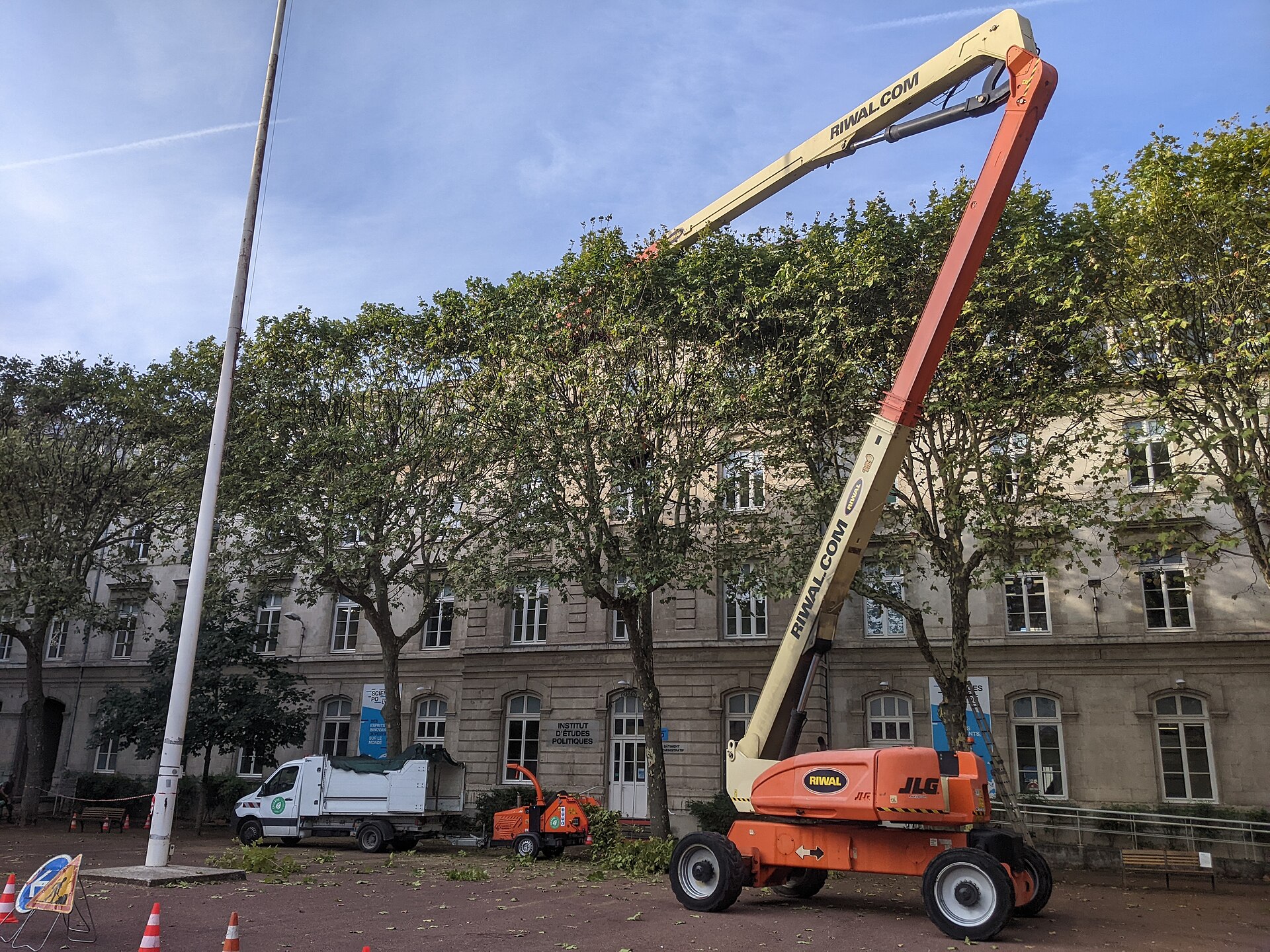
The building manager had the courtyard chestnut tree pruned, the one I've looked at from my desk for twelve years. I lost a day's work and gained neighbours I didn't know I had.
Reading the names
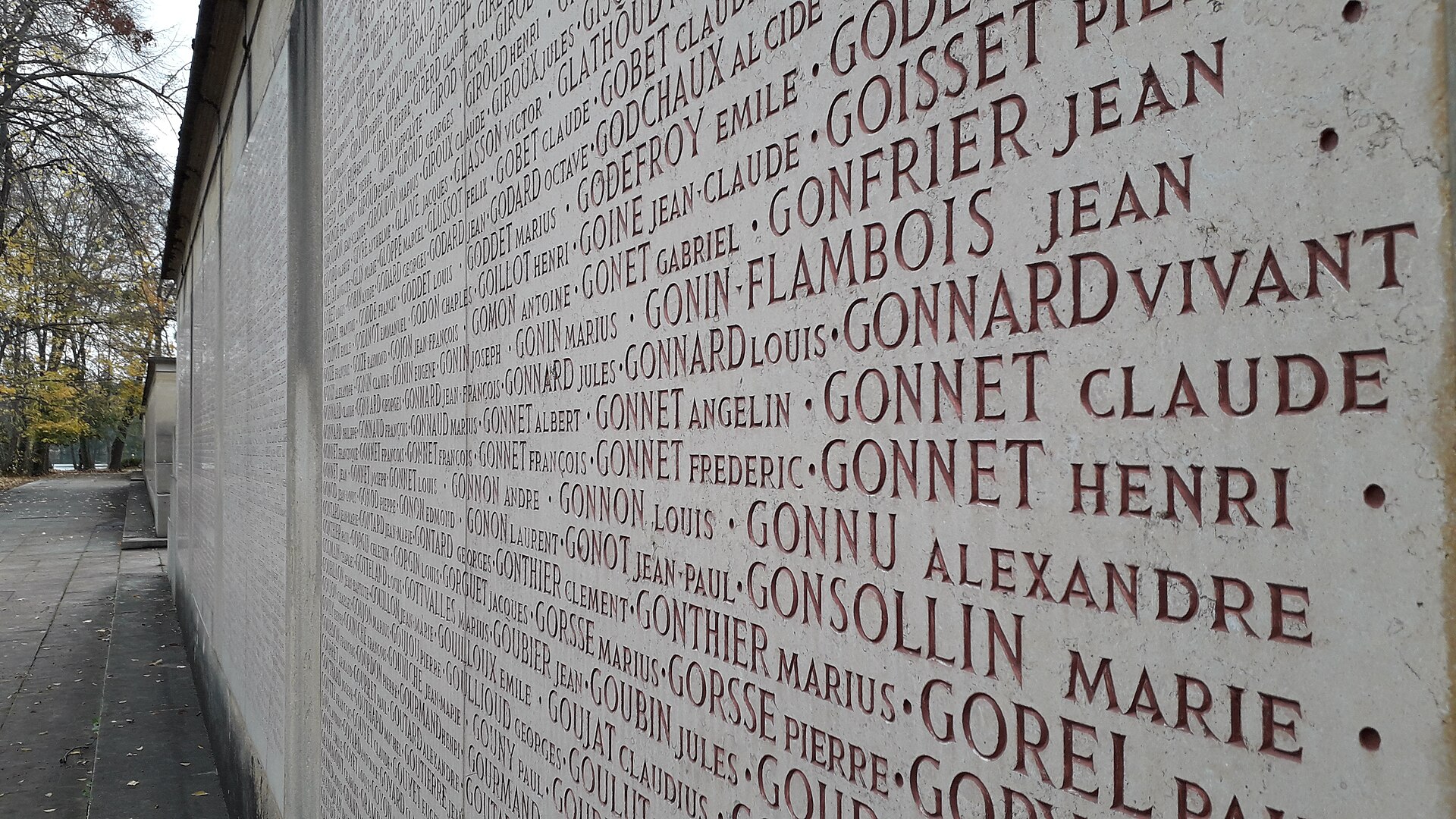
This 11 November Tomás was asked to read four names at our neighbourhood war memorial. We rehearsed in the kitchen, and one of the names asked him a question.
Assimilation
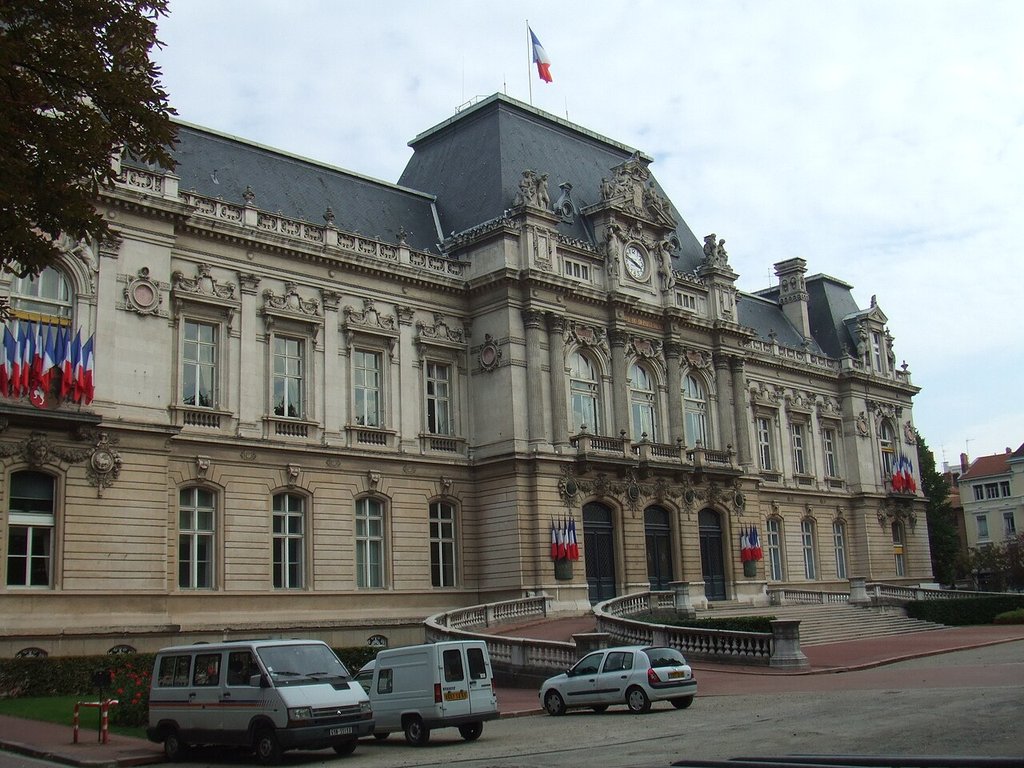
Twelve years after arriving in Lyon I went to the Préfecture for my French citizenship interview. They asked about Claire, about the Republic, and why. The last one was the hard part.