coffee · routine · bogotá
The eleven o'clock tinto
Every day at eleven I make myself a tinto in the kitchen, with a nine-euro pot. This week the coffee we brought back from Bogotá ran out, and I found out how much I depended on it.

At eleven in the morning, give or take, something in my back tells me it's time. I get up from the desk, leave the contract half done with the cursor blinking in the middle of a sentence, and go to the kitchen to put the water on. I've been doing it in Lyon for twelve years and in Bogotá for thirty before that, where nobody calls it a "break": you say tomarse un tintico, and it's a way of being alive.
This week I ran out of coffee. Not just any coffee: the one we brought back from Bogotá in August, three half-kilo bags that my mother slipped into the suitcase between the shirts, saying that in France coffee is "dirty water with airs". It lasted two and a half months. On Tuesday I scooped out the last spoonful and the bag was left empty and crumpled, still smelling of a shop in Chapinero.
The nine-euro pot
My system is primitive and I'm not changing it. A small saucepan, water on the heat, and when it comes to a boil I turn it off, tip in the coarsely ground coffee, count to sixty, and break the crust with a spoon so it settles. Then I pour it through a cloth sock, the kind they sell in the Plaza de Mercado, which honestly isn't a sock anymore but a strainer with ambitions. It hangs on a hook next to the fridge. Claire says it looks like evidence in a trial.
The nine-euro pot is something else: a moka I bought in a shop on the Croix-Rousse my first winter, when I still thought I would adapt. It's for days when I'm in a hurry. It makes a strong, correct coffee, the coffee of a man who has given up and knows it. The kids don't even glance at it. Tomás, who at ten already thinks he's an adult, said the other day that my tinto "smells like a grandparents' party", and I don't know if it was an insult, but I took it as a compliment.
What the supermarket has
On Wednesday I went down to the Carrefour on the square determined to save the month. On the coffee shelf there's a metre of packets of "arabica pur", with drawings of beans, with names that sound like Ethiopia or Italy. I bought one that said Colombia in gold letters. I opened it in the kitchen and sniffed. It smelled like coffee, yes, the way a hotel corridor smells like coffee.
I made it the usual way and sat on the stool with my cup. It wasn't bad. It just wasn't mine. It's odd to explain this in either of my languages: the coffee tasted good and far away, like a song you recognise but other people are singing. I sat for a while looking at the courtyard, the chestnut tree already half bare, Inés's pretend chestnuts still shining on the desk, and I thought that what I missed wasn't the taste but the excuse.
Eleven o'clock
Eleven in Lyon is four in the morning in Bogotá, so I can't call anyone. At that same hour, forty years ago, my mother would pour me a watery tinto with a lot of milk in an enamel mug, so I'd feel grown up, while she swept the kitchen with the radio on. It was the only time she sat down. She sat for five minutes, with the broom propped against the wall, and said nothing.
Today I sent her a voice message to say I'd run out of coffee and ask if anyone was travelling soon. She answered at six in the evening my time, which is noon for her, with a two-minute audio where you could hear a pressure cooker whistling in the background. She said she'd talked to a neighbour, that the neighbour had a cousin, that the cousin was going to Paris in November and could probably bring me two kilos, though she wasn't sure because the cousin "is a bit scatterbrained". She said that in the meantime I should drink whatever there was and not be dramatic.
I pour what's left into the cup, which isn't much, and let it cool a moment next to the dictionary. Outside it's starting to rain. It's the eleven o'clock tinto of an ordinary Thursday in Lyon, and for two more weeks it's going to taste like Carrefour.
Keep reading

Pretend chestnuts
Inés had spent two weeks gathering the chestnuts in our courtyard to roast them. I had to tell her you can't eat them, so we went looking for real ones at the Croix-Rousse fair.
The boiler man
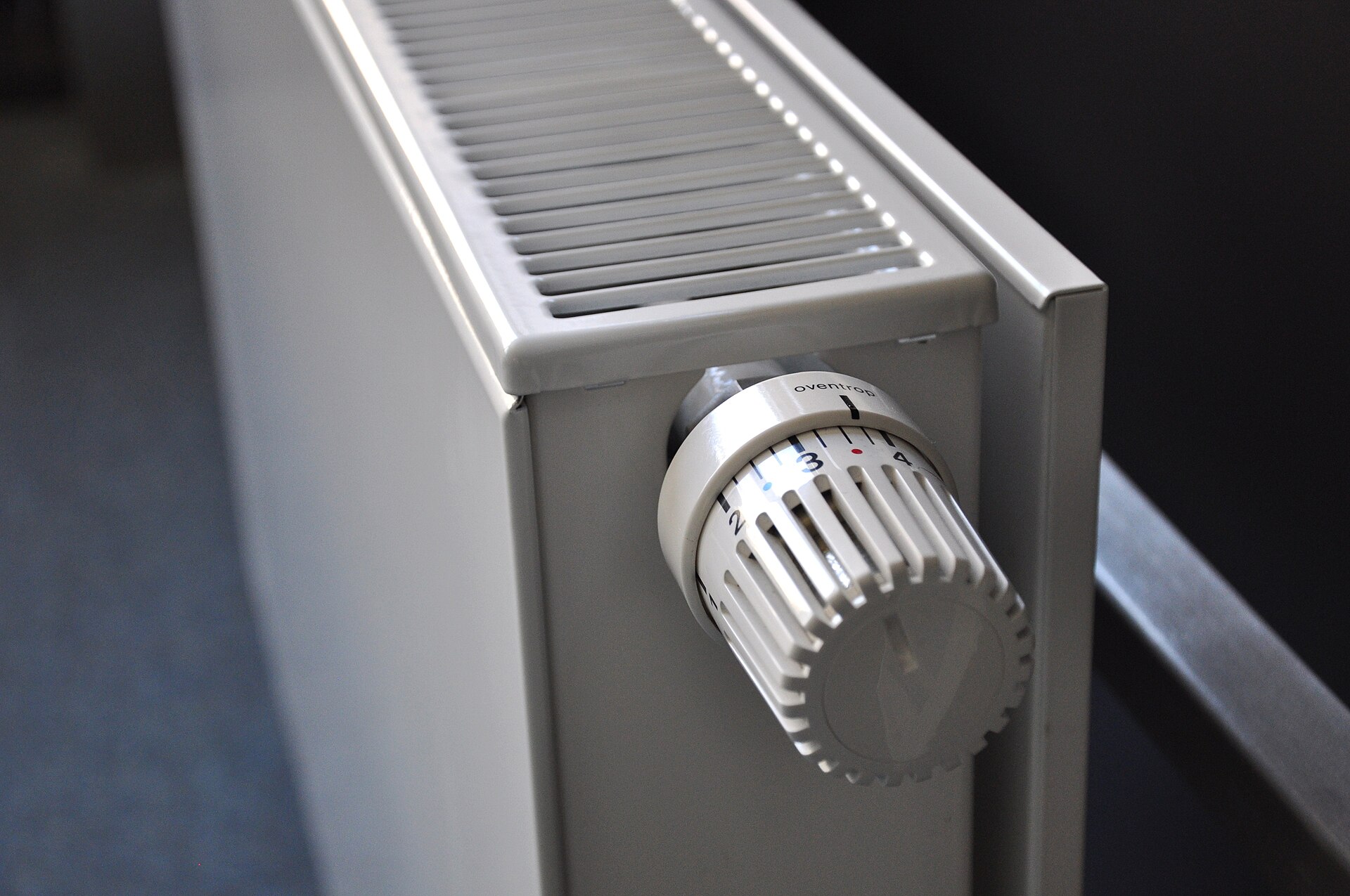
Our boiler died on the first Sunday of the Toussaint holidays. Three cold days in the Croix-Rousse, a ruana from Bogotá and a repairman who took ten minutes.

Varifocals
At forty-six, the optician on the Grande Rue said the word presbyopia. A week of learning to look in layers, with my glasses pushed up on my forehead like my father's.