kids · neighbourhood · dad
As far as the corner
Tomás asked to walk to school on his own, like the other kids in his year. I said yes, then followed him half a block behind, hiding behind cars, the way my father once followed me.

He brought it up on Wednesday at dinner, somewhere between the soup and the yoghurt, in the voice of someone who has rehearsed the sentence in the bathroom. Hugo and Nathan already walk to school on their own. So does Lilou, and Lilou is three months younger than him. Next year he starts collège, and nobody turns up there holding their dad's hand. It's four blocks. He has known the way since he was three.
Claire looked at me over her glass. I know that look: it means "you answer, you're the one who's going to worry". She was right. She grew up in a village in the Beaujolais where at eight they sent her to the bakery alone with a banknote and strict orders not to spend the change on sweets. I grew up in Bogotá in the nineties, where nobody let you go even to the corner shop on your own, and where my mother would wait at the window with the rotary phone beside her, just in case, though I never found out who she meant to call.
I said yes. On Friday. Tomás said "trop bien" and finished his yoghurt in two spoonfuls, before I could change my mind.
Four blocks
It is four blocks, that's true. You come out of the building, walk down the street to the bakery on the corner, cross at the lights on the Grande Rue, where in the mornings there's a woman in a yellow vest with a round stop sign on a stick, carry straight on past the pharmacy and Samir's barbershop, and turn left. And there's the green gate of the school. I have walked that route something like sixteen hundred times. I've walked it with Tomás in the pushchair, Tomás on my shoulders, Tomás complaining about his shoes, Inés crying over a lost glove. I could do it in my sleep, and on certain Mondays in January I more or less have.
This morning I realised I had never actually looked at it.
Tomás left at ten past eight with his backpack on both shoulders, which is never how he wears it. He gave me a quick kiss at the door without taking his hat off and went down the stairs two at a time. Inés, who was going with Claire today because it was a swimming day, shouted "bonne chance" after him from the landing, as if he were off to war. I shut the door, counted to ten in the kitchen, pulled my jacket on over my pyjamas and went down after him.
Half a block behind
I followed him half a block back, on the other pavement, like in a bad film. I hid behind delivery vans, of which the Croix-Rousse has plenty at that hour, and pretended to look into shop windows that hadn't opened yet. At the bakery he stopped. He didn't go in. He stood looking at the croissants through the glass with his hands in his pockets, like a grown man. Then he walked on.
At the lights he waited for the woman in the vest to raise her sign, even though there wasn't a car in sight, and crossed slowly, looking both ways twice, exactly the way Claire taught him and not at all the way I cross. The woman said something to him and he laughed. I didn't catch what. I felt a strange kind of envy, at being left out of my own son's joke.
Outside the barbershop, Samir was pulling up the shutter. He saw me before he saw Tomás: jacket, checked pyjama bottoms, crouched behind a white Kangoo. He raised a hand to wave. I signalled no, keep quiet, finger to my lips. Samir looked at Tomás, looked at me, understood everything, and went back to his shutter with a smile I'll be paying for at my next haircut.
What my father did
The first time I went to school on my own I was eleven, on a buseta up Carrera Trece. I remember the sweaty hundred-peso note in my hand, the driver who never quite stopped so you had to hop off, the pride of getting there. I remember nobody at home said a word about it, not that afternoon and not later, and that this felt like the best part.
Many years later, when my father was already ill, my mother told me in the kitchen, peeling potatoes, that he had taken the next buseta that morning. That he had been late for work. That he had stood across the street from the school until he saw me go in, and then had a tinto at a café on the corner before he left, because his hands were shaking a little. She laughed as she told it. I didn't know what to do with that, so I started peeling potatoes too.
I never asked him about it. Now I can't. This morning, behind a stranger's Kangoo, in pyjama bottoms, I thought I didn't need to: I know exactly what he was feeling, and that the tinto wasn't for the cold.
Tomás reached the school corner. And there, just before turning, without fully looking round, without breaking stride, he lifted his right hand above his shoulder and waved it twice. He didn't look back. He didn't need to either.
I walked home along the same pavement, not hiding. It was twenty past eight. I made a tinto in the enamel mug, three hours earlier than usual, and drank it standing by the window, looking at the chestnut tree in the courtyard, until my hands had more or less stopped shaking.
Keep reading

The absent-minded cousin
My mother's neighbour's cousin landed in Paris with two kilos of coffee for me. He couldn't come to Lyon, so I took the train to meet him at the Gare de Lyon.

Two mice
Inés lost her first tooth at dinner and wanted to know who would come for it: the petite souris from Lyon or Ratón Pérez from Bogotá. They both came.
A number two
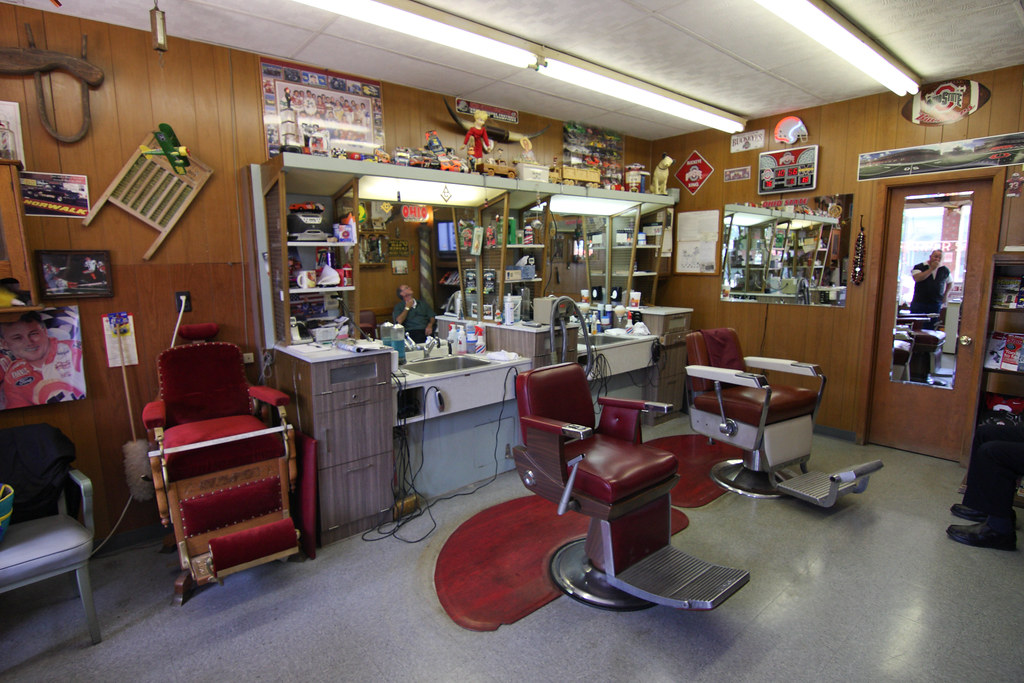
Twelve years of saying "comme d'habitude" at the barber's on the Grande Rue. This time Samir wasn't there, and I had to explain my haircut in French. I couldn't.