trees · kids · autumn
On Saint Catherine's Day
A French saying claims that on 25 November any stick will take root. Inés opened her box of conkers, found one with a tail, and we had to find it a pot.
At eight in the morning my phone rang and it was Gérard, who doesn't call at that hour unless someone has died or something needs planting. It was the second. "À la Sainte-Catherine, tout bois prend racine," he said, without a good morning. On Saint Catherine's Day, all wood takes root. He was already on his third pear tree, making the most of the fact that it had finally stopped raining, and he wanted to know whether we were going to plant anything. I told him we live on the fourth floor. He said that wasn't an answer.
Inés, having breakfast next to me, asked to hear the sentence again. There's no school on Wednesdays and she has the whole day to take anything at all seriously. She said it three times, with her mouth full, and then asked whether "all wood" meant all. The broomstick, for instance. I said I didn't think so. The wooden spoon? Not that either. She thought about it, climbed down from her chair and went to the hall cupboard, which is where Claire exiled the box of chestnuts you can't eat when they started to smell like a cellar.
The one with a tail
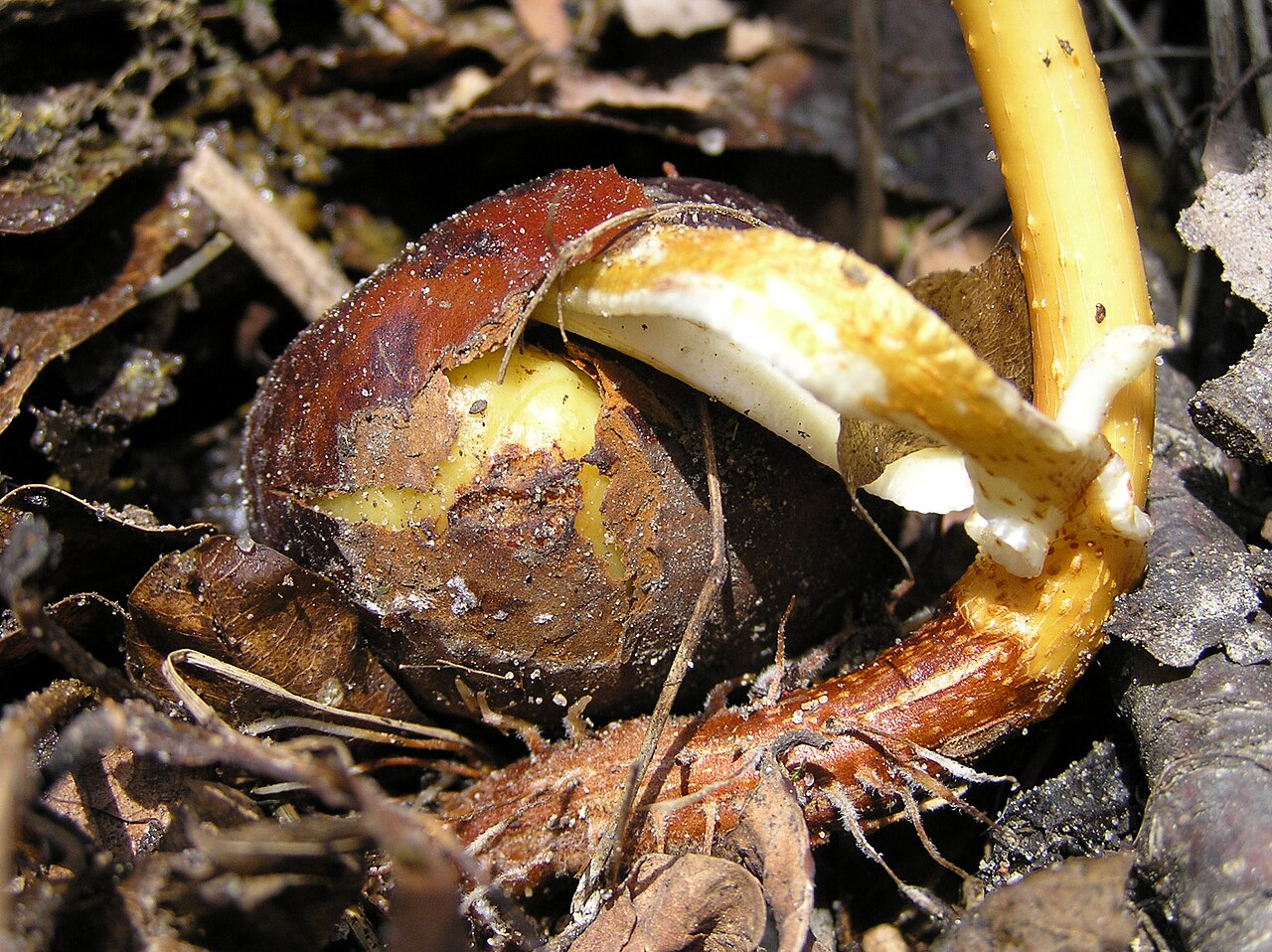
Of the hundred and four, most are as wrinkled as a notary's forehead. A few had grown grey fuzz, and those we threw out without ceremony while she looked the other way. But in one corner there was one with its skin split halfway, and out of the crack came something white and curved, about as long as the nail on my little finger. Inés shrieked. Tomás came out of his room convinced it was a worm, and was a bit let down.
It wasn't a worm. It was the root. That conker had spent weeks doing its job in the dark, between the ski gloves and the vacuum cleaner, without anyone asking and with no idea which saint's day it was.
We had no pot and no soil. We had an old saucepan with no handle, which Claire keeps for reasons I don't dispute, and for soil we went down to the courtyard, where the only person who knows anything about that tree is Monsieur Delorme. He came out in his checked dressing gown before we could knock. He looked at the conker in Inés's palm, put his glasses on, took them off. He said the root goes downwards, that you don't bury the whole thing, that you mustn't drown it. He went upstairs and came back with a real terracotta pot, with a green rim of mould, that had held his wife's geraniums. I didn't know he'd had a wife. I didn't ask, and he started filling the pot with his hands.
Inés wanted to know how long before it would be like the one in the courtyard. Delorme looked at the trunk, with its arms cut off nearly two weeks ago, and worked it out. "Cinquante ans," he said. Tomás did the sum out loud: his sister will be fifty-seven and I'll be ninety-six. He looked me up and down, as if weighing my chances.
The avocado stone
In the afternoon I called my mother, who over there was only just making her bed. I showed her the pot and she asked if I remembered the stone. Of course I did. For months the kitchen in Chapinero had a jam jar with an avocado stone skewered on three toothpicks, half in the water and half out. My father changed the water on Sundays and announced to anyone who came by that in five years we'd stop buying avocados. When the stalk no longer fitted under the shelf, they planted it in the field behind the compound where my sister lives.
I asked her if it had ever given anything. "Not one," my mother said. "At two thousand six hundred metres, what was it going to give? He knew." She went quiet for a moment, straightening a pillow or pretending to. Then she told me my sister says it's still there, skinny, taller than the cars, and that the watchman chains his bicycle to the trunk.
The pot ended up on the window ledge, outside, because Delorme insisted it has to feel the cold or it won't find out there's going to be a spring. Inés stuck in a lolly stick with a name and the date. Not her name: the conker's, which is called Catherine. She has watered it four times since noon.
At six Gérard sent a photo of his three pear trees, which are three bare sticks in the mud. I sent him the one of the pot, in which you can see absolutely nothing. He replied with a thumbs up. My mother got it too, and she did take her time.
"Mijo, don't drown it," she wrote. "Tell the girl."
Keep reading
The drying rack
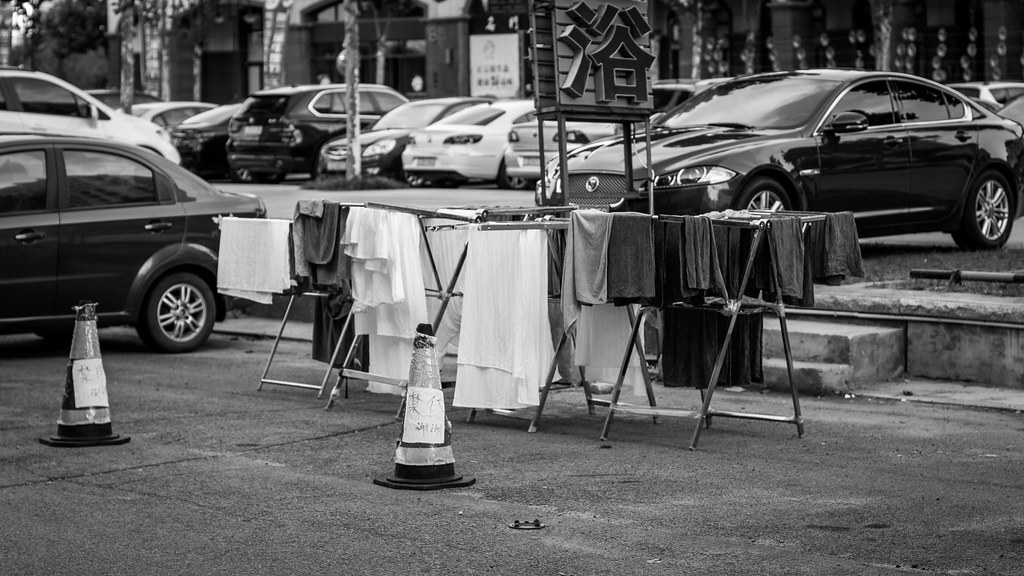
In November nothing ever dries in Lyon. A folding rack in the living room, one of Inés's socks gone missing, and my mother's sheets in the sun on a Bogotá rooftop.
Lumignons
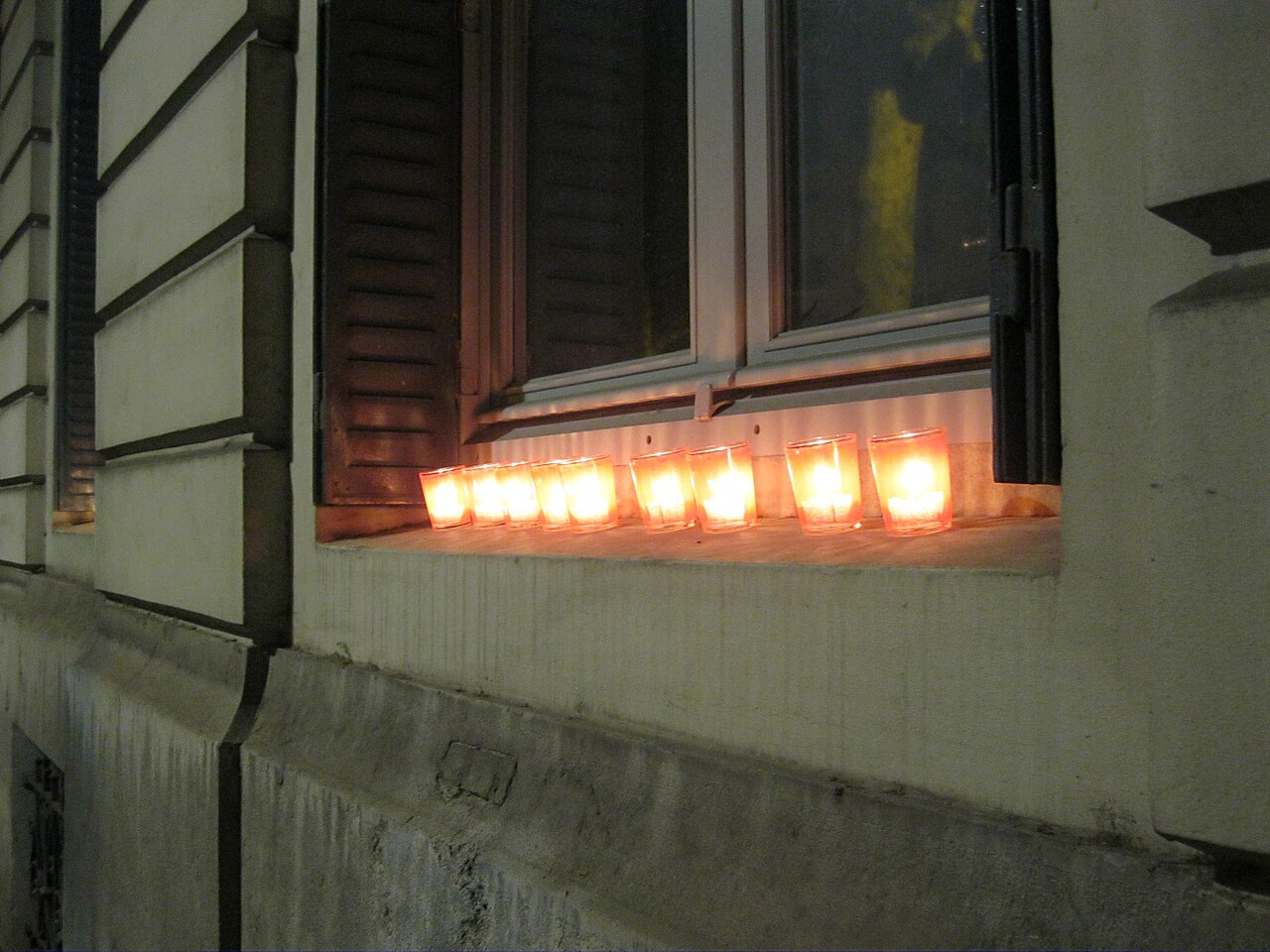
In Lyon, on 8 December, people put candles in their windows. This year Inés brought home a little glass jar to paint, and I thought of the velitas back in Bogotá.

The Latin American shelf
I went to the local library for a book for Inés and came out with The Armies in French, my old favourite novel, translated by someone else. I read it with a pencil.