autumn · family · my father
Chrysanthemums
With the kids away in the Beaujolais, I went with Claire for the first time to clean her grandmother's grave before Toussaint, and thought about my father's plaque in Bogotá.
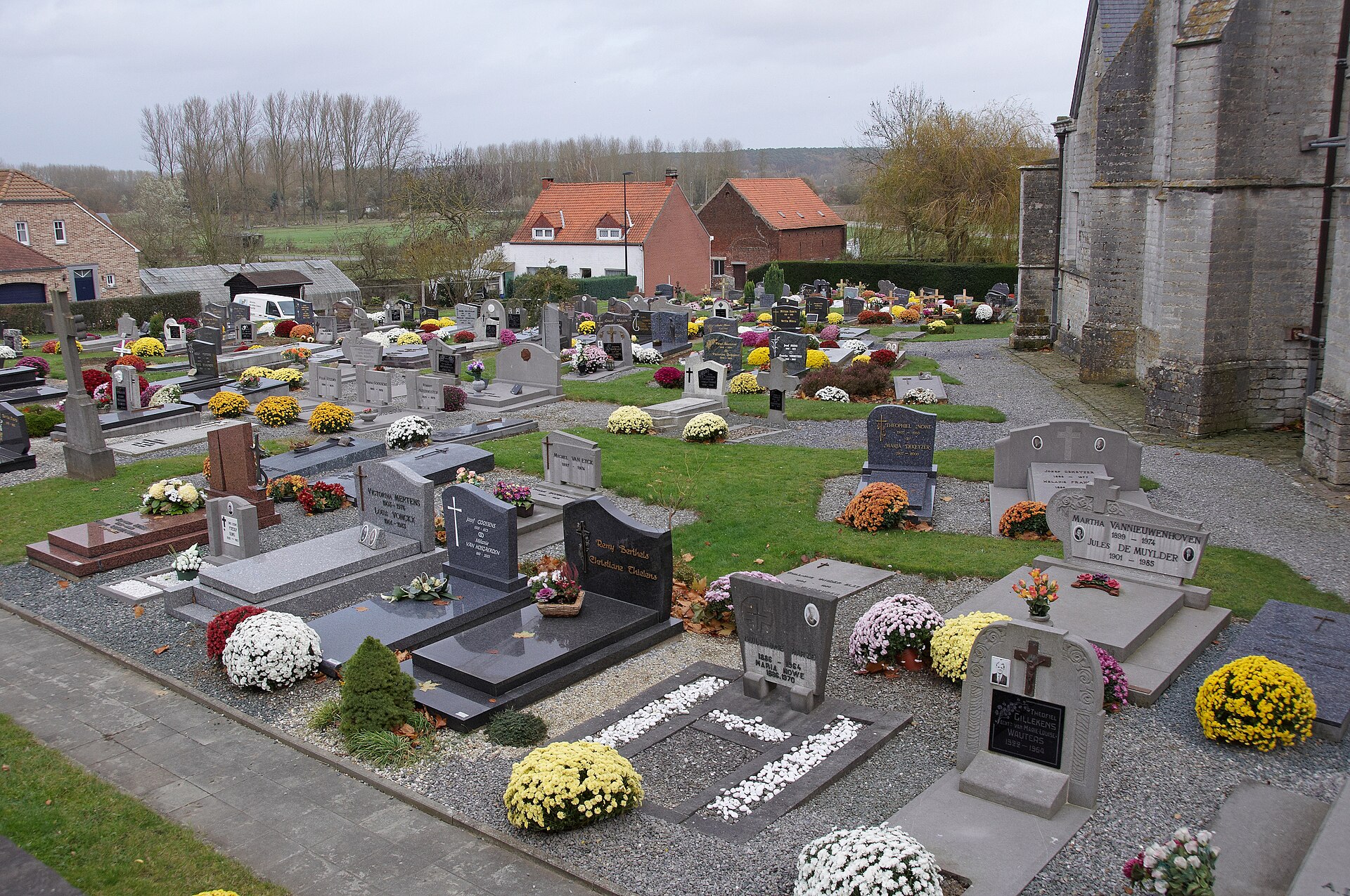
Every year, the week before Toussaint, Claire vanishes for a morning. She leaves early with a canvas bag, a scrubbing brush, a bottle of water and a pair of yellow rubber gloves, and comes back at lunchtime with dirty knees and a silence that lasts her until the afternoon. She goes to the Croix-Rousse cemetery to clean her grandmother Lucienne's grave. I stay with the kids. In twelve years I had never gone with her, not because I didn't want to but because someone had to stay behind, and over time that someone became a habit.
This year the kids are in Oingt with their grandparents and the flat feels too big. This morning, while Claire was hunting for the gloves under the sink, I asked if I could come. She looked at me for a second, the way you look at someone who has asked something they should have asked a long time ago, and said yes, and to bring the other brush.
The woman with the pots
Outside the cemetery gates the flowers were already out. Not stalls, exactly: rows and rows of pots along the pavement, hundreds of them, all chrysanthemums, yellow, white, a dark purple that was nearly the colour of wine, round as cushions. They were looked after by a woman in a gardening apron with a receipt book in which she wrote everything down in pencil. Claire chose a big white one, after hesitating between three that, as far as I could tell, were the same plant. She paid twenty-four euros. It seemed a lot for a pot plant. I kept that to myself.
I mentioned it when I wrote about trick or treat: in France the chrysanthemum is the flower of the dead. You don't give it as a present, you don't keep it in the house, you don't bring it to a dinner however pretty it is. Our first autumn here I took Monique a bunch of chrysanthemums because they were cheap and looked cheerful to me. She accepted them with a very polite smile and put them in the garage. Claire explained it to me in the car on the way home, laughing so hard she had to pull over onto the verge.
Lucienne
Claire's grandmother died in 2017, and I got to know her well: a tiny woman with bluish hair who had spent thirty years working in a Croix-Rousse silk workshop and who spoke to me very slowly, as you speak to a foreigner, long after I had started speaking fast. She called me "le Colombien". Once she asked me whether there was winter in Colombia, and when I told her no, just rain, she said in that case it was like Lyon without the advantages.
The grave is in one of the upper alleys, between a cypress and a family called Bonnard. Grey granite, gold letters slowly fading, a ceramic plaque with a rose on it. Claire knelt down, cleared the dead leaves, poured water and began scrubbing the moss out of the corners with a seriousness I recognise from her work. I took charge of the plaque. All around us people were doing the same: an old man scraping with a putty knife, two sisters arguing under their breath about whether the purple was too sad, a young man in headphones watering a grave that didn't belong to his generation. You could hear the brushes, the water, the crows in the plane trees. Nobody was crying. It felt like a clean-up day in a neighbourhood where all the neighbours get along.
Jardines de Paz
My father is buried in Jardines de Paz, in the north of Bogotá, in an endless lawn where you can't see the graves: they're bronze plaques flush with the grass, all identical, and to find his you have to count from a pine tree. We didn't go in August. It rained, then we were tired, then my sister had to work, and in the last week my mother said "another day, mijo", and the other day turned out to be the flight. She goes on her own, the Sundays she can manage, on two buses. She takes carnations, because she says they last.
While Claire dried the letters with a rag, I stood looking at the white chrysanthemum and it dawned on me that I have never cleaned my father's plaque. Not once. She has always done it. I did the sums: Saturday is Toussaint here, and Sunday, the second of November, is the Day of the Dead over there, which is when she goes. Six hours' difference. Not seven any more.
On the way out I asked the woman with the pots if she had anything that wasn't a chrysanthemum. She heard my accent, thought about it, and sold me three red carnations she had in a bucket behind her table, for herself. She wouldn't wrap them.
I sent my mother a photo. She replied at five in the afternoon, my time, with a voice message: she was going on Sunday, as always, on the two buses, and she'd take him carnations from me. I asked her, in writing, what she used to clean the plaque. She sent another voice message, shorter: "An old toothbrush, mijo. What else?"
The carnations are in a glass on my desk, next to Inés's chestnuts. Claire's yellow gloves are drying on the radiator in the hall. In the boiler cupboard, in the toolbox, I've put an old toothbrush, mine, for two years from now.
Keep reading

The house without them
Claire's parents took the kids for two nights to their house in the Beaujolais. Claire and I were left alone in the flat and didn't quite know what to do with the silence.

Parents' evening, in French
Tomás's teacher asked Claire and me to come in before the All Saints break. I understood every word, and still left the meeting not understanding what I had been told.
Trick or treat on the staircase
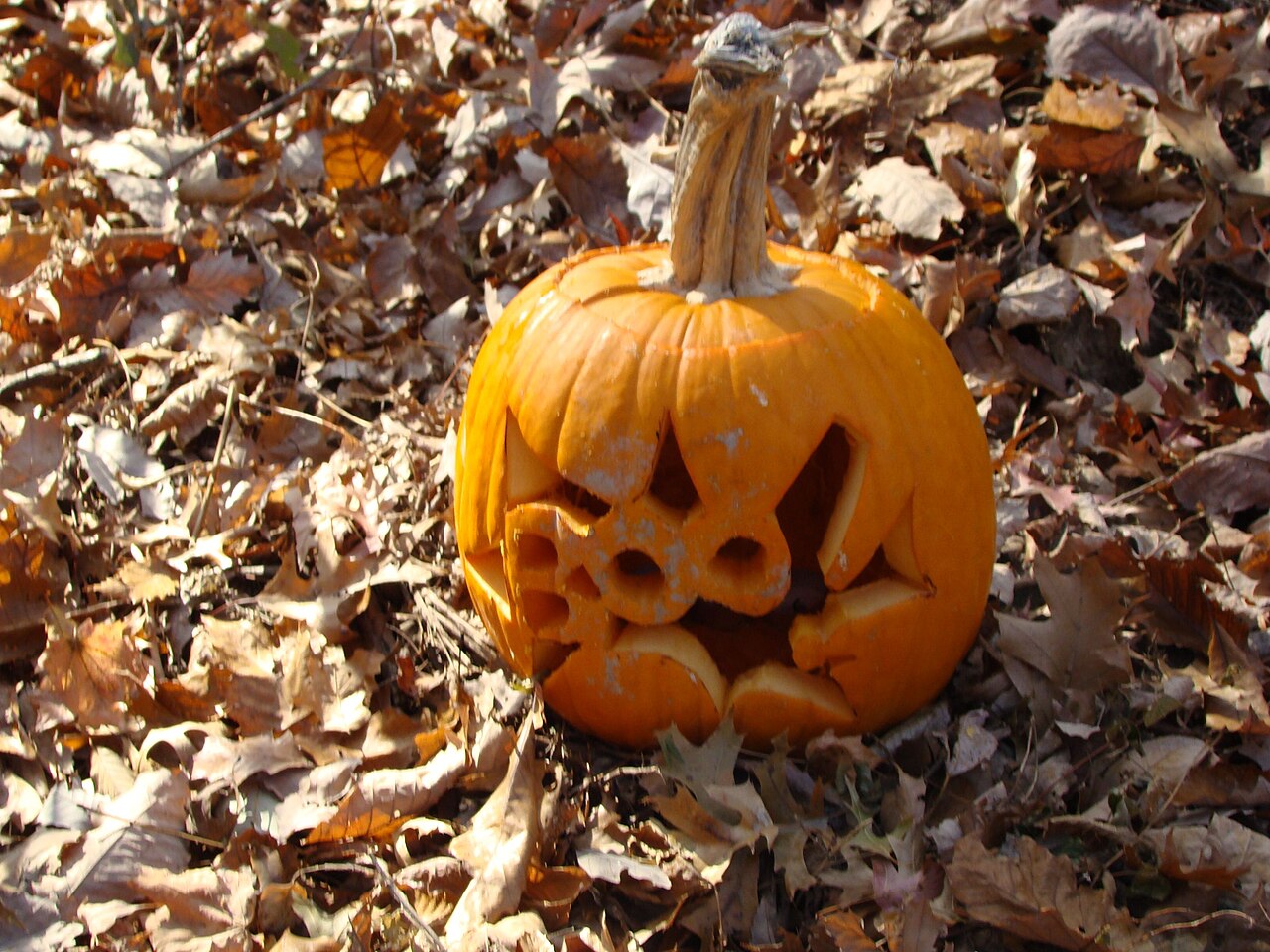
Inés wants to go door to door for sweets on the 31st, and nobody in our Croix-Rousse building knows what she means. I do: it all came back from the apartment block in Bogotá.