home · marriage · kids
The house without them
Claire's parents took the kids for two nights to their house in the Beaujolais. Claire and I were left alone in the flat and didn't quite know what to do with the silence.

Claire's parents turned up this morning at nine on the dot, which for them means five to nine, in the grey Renault that Gérard washes every Saturday whether or not it has been anywhere. They had come for the kids. They're taking them for two nights to their house in Oingt, in the Beaujolais, a yellow stone house with an old dog and a bread oven nobody uses, and they'll bring them back on Friday before lunch, in time for the witch and the six doors.
They've done this every Toussaint holiday since Inés came out of nappies. Monique calls them "les jours des petits". I call them, in my head, without telling anyone, the days when the flat gets too big for me.
Inés's suitcase
Inés packed by herself, which is a way of saying she put into a little wheeled suitcase everything she didn't need. Three books, the witch costume folded with a tailor's care, a torch, two chestnuts from the courtyard, the good one and the other good one, and a single sock. Claire repacked it in the hallway without her noticing, taking things out and putting things in with the speed of a pickpocket. Tomás took a backpack with his phone charger, his phone and, on top of everything, the dictation notebook Madame Perrin asked for, because we agreed he would read it aloud every night, holidays included. He packed it with the face of a man going to the gallows.
Monique greeted me with two kisses and a "¿cómo estás, Julián?" in a Spanish she learned from a cassette fifteen years ago and saves for hellos and goodbyes. In between we speak French. She's the only one in Claire's family who calls me Julián, and she says it with a very soft j, almost an h, as if she didn't want to disturb the word.
At the car door, Inés ran back to the entrance and hugged my legs. She told me not to eat the Breton biscuits. I said I wouldn't. Gérard gave two short toots of the horn, and the Renault went down the rue d'Austerlitz with a child's hand sticking out of the back window.
What you do with the silence
We went back up. Claire shut the door and the two of us stood in the hallway with our coats still on, looking at each other like two people who've run into each other in a waiting room. You could hear the fridge. You could hear a radiator. You could hear, very far off, Madame Gaillard's radio. In twelve years I had never heard the fridge.
We had made plans, as we always do. Go to the cinema in the afternoon, to a film that wasn't animated. Eat at a bouchon on the rue Mercière where we went the first time I came to Lyon, in 2010, when I was still a tourist and Claire explained what a tablier de sapeur was with a patience she would never have with me today. Sleep in. Talk about something other than school, the boiler or the list on the fridge.
We did none of it. Claire sat on the sofa answering work emails with her feet on the coffee table, which she never does because she forbids the kids to. I went to the table by the window and translated four pages of the logistics contract without getting up once, without anyone asking me where the glue was, with an efficiency that made me a little sad. At one o'clock we ate what was left of Tuesday's soup standing up in the kitchen. At three Claire fell asleep on the sofa with her laptop open on her stomach. I covered her with my mother's ruana. She didn't stir.
Later I went into Inés's room to close the shutter and ended up staying. The bed was unmade, her shape still in the blanket. On the bedside table there was a half-finished drawing of a house with four windows and a man in each window. All the men were wearing glasses. I left the shutter as it was.
Dictation time
In the end we did go out. Not to the bouchon on the rue Mercière, which was full of tourists, but to the pizzeria on the square, the usual one, the Sunday one with the kids. We sat at the corner table, the one they like because you can see the oven, and ordered the usual without looking at the menu. Claire laughed when she realised. So did I. And at last we talked about something else: Cartagena, the translation workshop, the night she corrected one of my subjunctives in a bar in Getsemaní and I decided I was going to marry that woman. We hadn't told each other that story in years. We know it by heart and we still told it all the way through.
At half past eight the phone rang. It was Tomás, on Monique's phone, with the dog barking in the background. He said, in French, that he had to read his dictation and that Granny didn't know how this reading-aloud-for-Dad thing worked. I told him to go ahead. I put the phone on the table, between the pizza and the water jug, and Claire and I leaned over it like two old people round a wireless.
Tomás read a passage about a mill, slowly, out loud, sounding every t. He made one mistake, corrected himself and carried on. The waiter stopped a yard away with the dirty plates, waiting for him to finish. When he finished, Tomás said "voilà" and hung up without saying goodbye.
We walked back up the Grande Côte, slowly, not talking. In the flat the fridge was still humming. Claire went to bed. I stayed a while in the hallway, by the door, where Inés had left her wellies, tiny, one standing and the other fallen over, waiting for Friday.
Keep reading

Parents' evening, in French
Tomás's teacher asked Claire and me to come in before the All Saints break. I understood every word, and still left the meeting not understanding what I had been told.
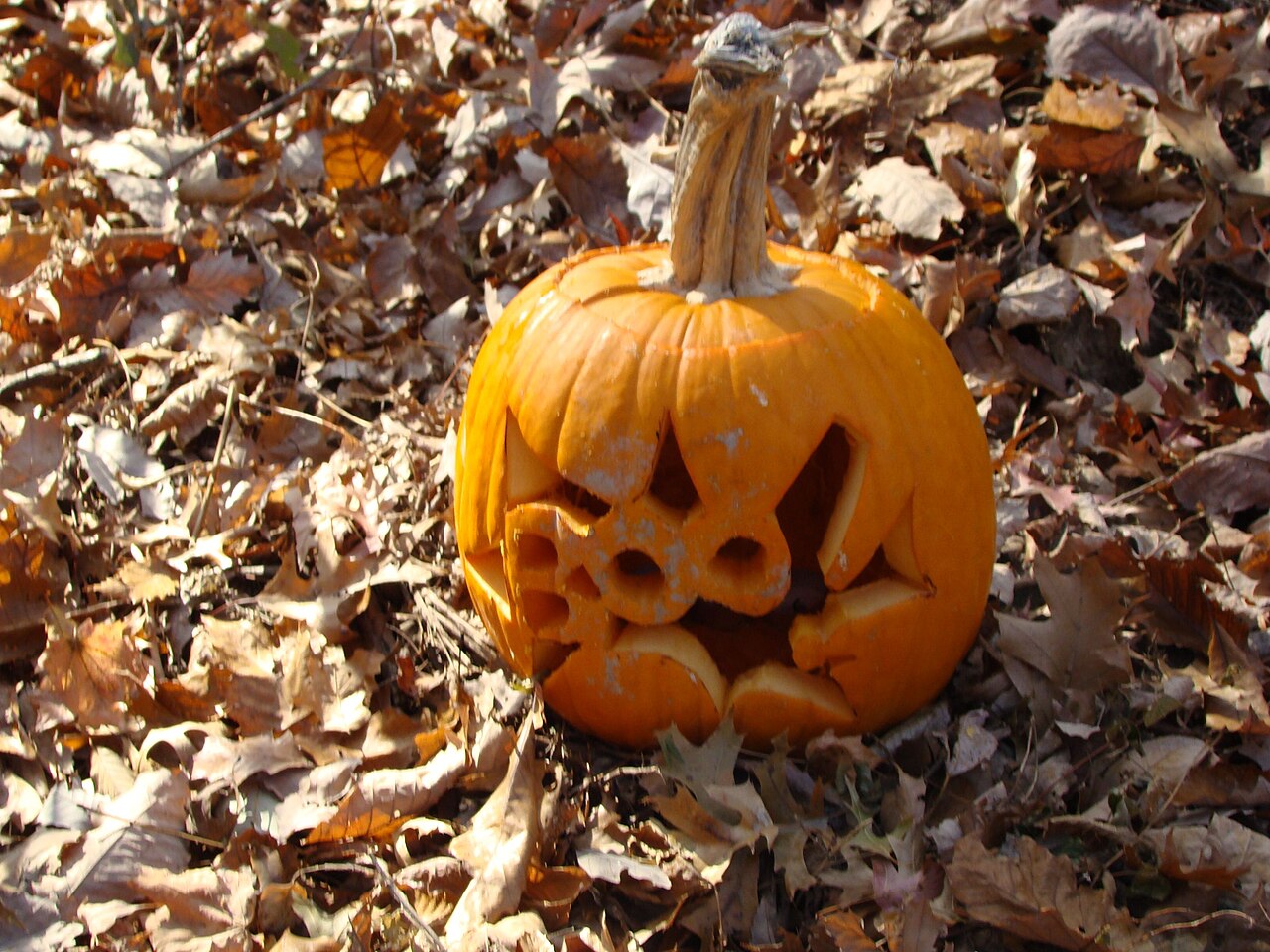
Trick or treat on the staircase
Inés wants to go door to door for sweets on the 31st, and nobody in our Croix-Rousse building knows what she means. I do: it all came back from the apartment block in Bogotá.

The extra hour
With the clocks going back, my Sunday call to my mother in Bogotá moved by an hour, and everyone in the house spent the spare one differently.