work · translation · food
Onces or merienda
I'm translating a French novel for a publisher in Madrid, and a single word, goûter, kept me arguing with myself for a whole week.
Most of what I translate will never be read by anyone for pleasure. Distribution contracts, product sheets for a Beaujolais wine cooperative, the manual for a machine that wraps cheese, medicine leaflets where the most exciting word is "drowsiness". It's honest work, half-decently paid, and it has its charm: I spend a morning looking for the exact Spanish term for "joint d'étanchéité", and when I find it I feel a small, clean satisfaction, like when the numbers finally balance.
But every so often a book arrives. This year it's a short novel by a writer from Villeurbanne, two hundred pages about a woman caring for her sick father in an apartment in the Croix-Rousse. The publisher is in Madrid. They wrote to me very kindly, with that instant first-name familiarity Spaniards have that still throws me a little, and gave me four months.
The word
In chapter three, father and daughter have their goûter. In France the goûter is sacred: the half-past-four snack, the one children wait for at the school gate, a pain au chocolat, a few biscuits, one of those squeezable pouches of apple purée. My kids claim it as a constitutional right. In the novel it's more than that: it's the only moment of the day when the father is lucid, and the daughter knows it, and she prepares the goûter the way you'd prepare a ceremony.
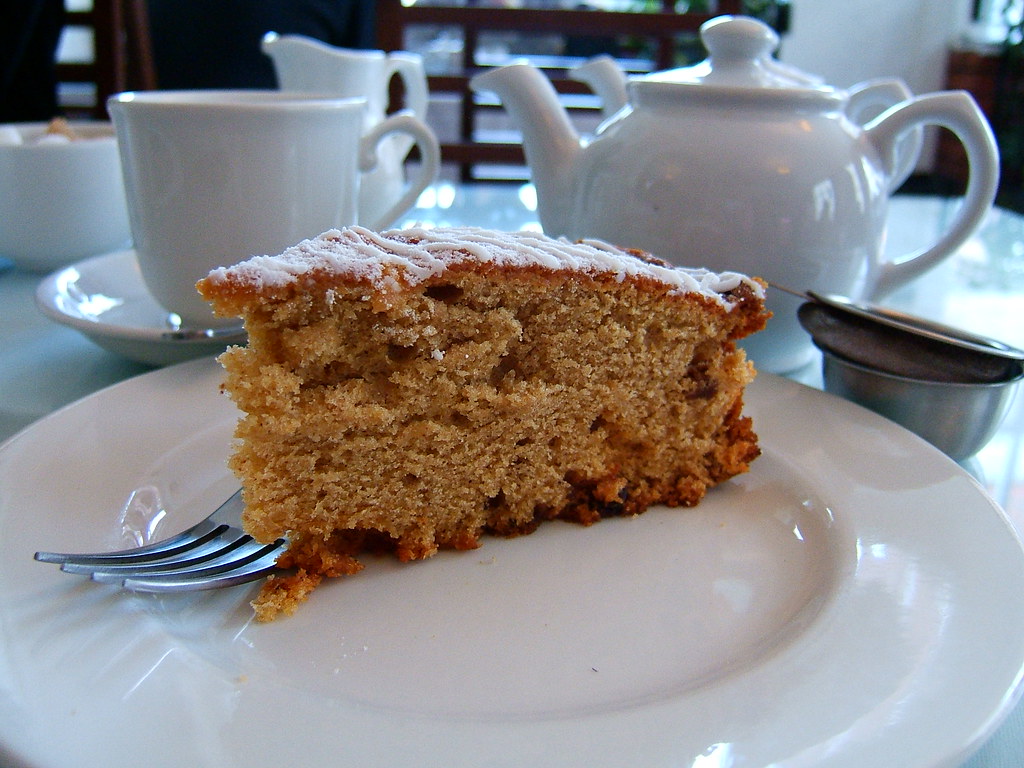
The obvious translation is "merienda". It's what anyone would write, what readers in Madrid, Seville or Buenos Aires will understand. And it's correct. But when I read goûter, I don't see a merienda. I see onces, which is what we call it in Bogotá. I see my mother's kitchen table, the santafereño hot chocolate in the aluminium pot, the fresh farmer's cheese cut into cubes to drop into the cup until it melts and goes stringy, the almojábanas still warm, the radio playing the five o'clock soap. I see my father getting home from work just in time for onces, loosening his tie with one hand.
I lived with that for a week. I typed "merienda" and deleted it. I typed "onces" and knew the editor would strike it out with a polite note in the margin: "Regionalism? Suggest merienda." And he'd be right. A reader in Madrid won't see my mother or the chocolate. They'll see an odd word and fall out of the book, and the first thing you learn in this job is that the translator has no right to pull the reader out of the book to show them his own house.
What gets left out
I wrote "merienda", of course. That's what I sent. But arguing with myself left me thinking about something I've known for years and keep forgetting: every translation is also an invisible list of what didn't make it in. Behind every page I hand over there's another one nobody sees, with the words I'd have liked to use and didn't, because they were too much mine. That page is the one that really belongs to me. The other belongs to the book.
On Thursday, at half past four, I picked the kids up from school. Inés came running out with her backpack open and asked what was for goûter. I said we should go home, I was going to make them something. I heated some milk. There was no santafereño chocolate, only a bar of Valrhona that Claire keeps for baking and that I'll pay for dearly. No farmer's cheese either, so I cut a slice of tomme de Savoie. Tomás looked at the cheese in his cup with the same horrified face Claire made the first time, in Bogotá, fifteen years ago. Inés tried it, pulled a face, tried it again.
"C'est bizarre," she said. And she finished it.
I don't know what to call what we ate on Thursday. In the manuscript it says merienda.
Keep reading

I speak Spanish, they answer in French
Ten years of talking to my kids in Spanish while they answer me in French, and one feverish January night when something shifted.
Bogotá again, in August
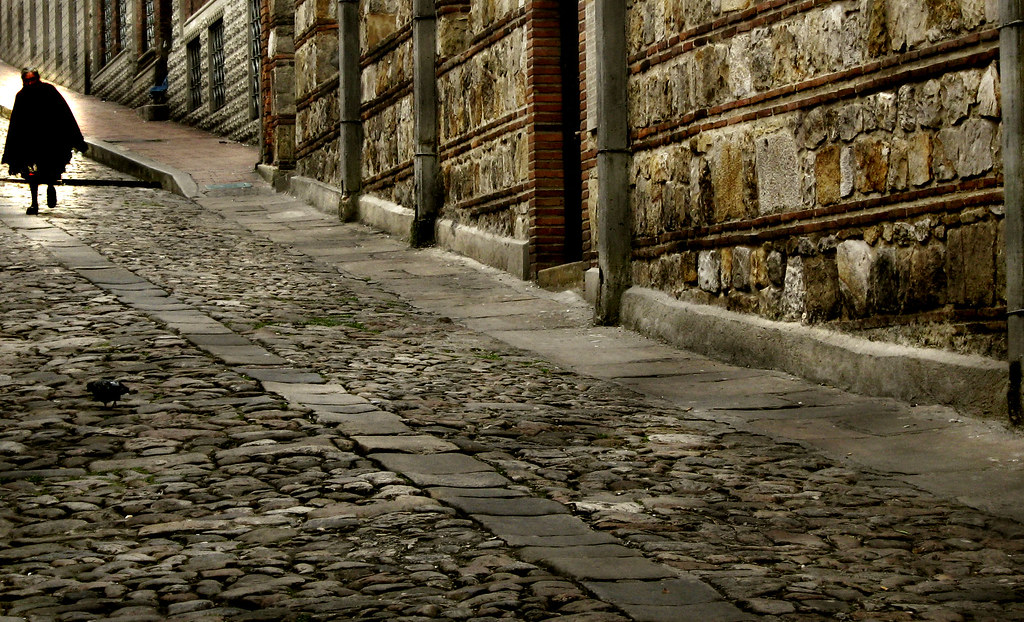
Three weeks in Bogotá with Claire and the kids: the cold of the high plain, my mother a little smaller, an ajiaco, and a question she had never asked me quite like that.
Fernando's Saturdays
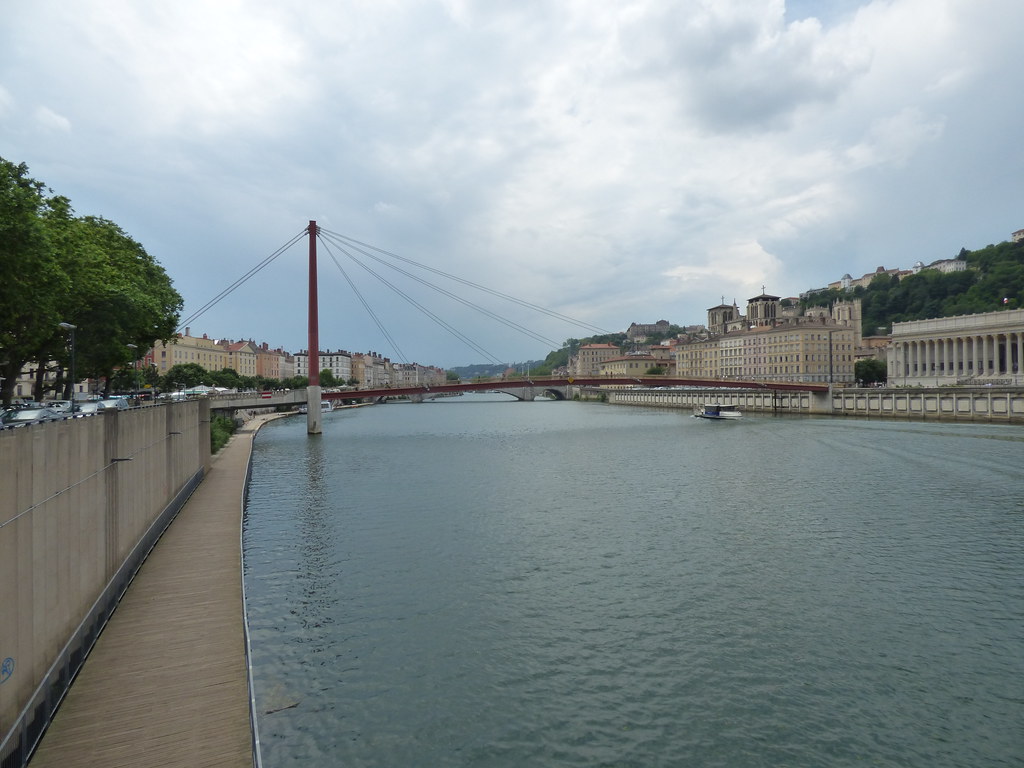
After my run along the Saône I always end up at the same stall in the quai Saint-Antoine market. This Saturday Fernando told me he was leaving.